one day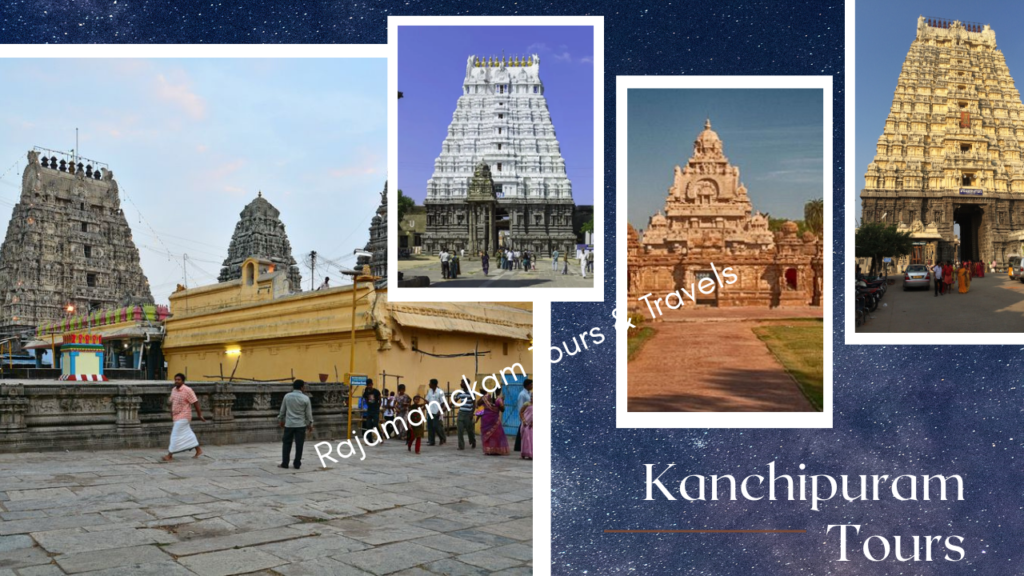

Discover the Divine: A Tour of Kanchipuram’s Most Beloved Temples
If you’ve ever wandered the narrow lanes of South India, you’ll know that the scent of incense, the hum of bells, and the dazzling stonework of ancient shrines are hard to forget. Few places embody this spiritual tapestry as powerfully as Kanchipuram—the “City of a Thousand Temples.” Once the capital of the Pallava, Chola, and later Vijayanagara empires, it still buzzes with the rhythm of devotion and history.
In this guide, we’ll walk you through the most popular temples that every visitor should see. From towering gopurams that pierce the sky to intimate sanctums where centuries‑old legends whisper, Kanchipuram offers a pilgrimage for the soul and a feast for the eyes.
Top 5 Temples in Kanchipuram
1. Kamakshi Amman Temple – The Mother of the Universe
Why it’s a must‑see:
- Divine Feminine: Dedicated to Goddess Kamakshi, an incarnation of Parvati, this temple is a spiritual anchor for Shakti worshippers.
- Nighttime Splendor: The temple’s luminescent pillars are illuminated after dusk, casting a mystical glow that feels otherworldly.
- Cultural Hub: The temple’s annual Brahmotsavam (grand festival) draws thousands and showcases stunning processions, classical dance, and traditional music.
Visitor tip: If you’re in town during Panguni Uthiram (March‑April), you’ll witness a spectacular float procession on the nearby Madan (Ponni) River. Dress modestly and respect the ritual customs.
2. Ekambareswarar Temple – The “Greatest of the Sky”
Why it’s a must‑see:
- Scale & Splendor: Spanning over 25 acres, this is one of the largest Shiva temples in Tamil Nadu. Its massive gopuram (gateway tower) stands at 59 m (193 ft)—a true marvel of Dravidian architecture.
- Mythic Roots: Legend says Parvati (the divine consort) fashioned a banyan tree (the temple’s namesake) to hide Shiva from a demon. That tree still thrives in the courtyard, its roots entwined with the stone of the sanctum.
- Unique Features: The Thiruvasagam inscription, a 9th‑century hymn by the saint-poet Manikkavacakar, is etched on the northern wall—making it a living manuscript.
Visitor tip: Arrive early (around 6 am) to catch the prayer bells resonating in the cool morning air, and don’t miss the golden Vimana (tower over the sanctum) that gleams at sunrise.
3. Kailasanathar Temple – Pallava’s Crown Jewel
Why it’s a must‑see:
- Historical Significance: Built by King Narasimhavarman II (Rajasimha) in the 8th century, it is considered the first true Dravidian stone temple.
- Architectural Brilliance: The temple’s five-tiered gopuram is modest in height but rich in intricate carvings—each pillar narrates stories of gods, dancers, and celestial beings.
- Artistic Treasure: The mandapa (pillared hall) houses some of the finest bas-reliefs in South India, featuring scenes from the Ramayana and Mahabharata.
Visitor tip: Take a guided walk that focuses on the sculptural symbology—the hidden meanings behind each miniature figure are a delight for curious minds.
4. Varadaraja Perumal Temple – A Vaishnavite Gem
Why it’s a must‑see:
- Divine Duo: Dedicated to Lord Vishnu (Varadaraja) and his consort Ulagammai, the temple’s precincts showcase the harmonious blend of Shaiva and Vaishnava traditions.
- Architectural Fusion: The temple’s gopuram (42 m tall) combines Pallava, Chola, and Vijayanagara motifs, reflecting the city’s layered history.
- Cultural Relic: Inside, you’ll find an exquisite Alankara (ornamental) idol of Garuda, the divine eagle, crafted from pure gold.
Visitor tip: Attend the Maha Prasad (sacred offering) ceremony after noon puja. The fragrant panchamrit (five‑nectar mixture) is said to bestow blessings of health and prosperity.
5. Kanchi Varadaraja Perumal Temple – A Hidden Heritage
Why it’s a must‑see:
- Ancient Roots: Believed to be built by the Nayanmar saint Appar, this modest shrine exudes an aura of quiet devotion.
- Sculptural Secrets: Look for the tiny carvings of dancing girls on the outer walls—these delicate details are often missed by hurried tourists.
- Peaceful Atmosphere: The surrounding palm groves provide a tranquil setting perfect for meditation.
Visitor tip: Bring a small notebook and sketch the subtle motifs—these personal “souvenirs” will remind you of Kanchipuram’s nuanced artistry.
Why Visit the Temples of Kanchipuram?
Beyond their religious significance, the temples of Kanchipuram offer an immersive look into South India’s cultural legacy. They showcase the evolution of Dravidian architecture across centuries—from the simple yet elegant Pallava structures to the grand and ornate complexes of the Cholas, Pandyas, and Vijayanagara rulers.
Moreover, each temple has its own unique rituals, festivals, and spiritual energy. Whether you’re a devout believer, a history enthusiast, or a curious traveler, Kanchipuram’s temples promise an unforgettable experience.
Popular Chennai to Kanchipuram Tour Packages Link & View The Price
- Kanchipuram Half Day Tour Package
- Chennai to kanchipuram One day tour Package
- Kanchipuram Mahabalipuram Tour Package
- Kanchipuram Thiruthani Tour Package
- Kanchipuram Vellore Tour Package
Tips for Visiting
- Dress modestly: As in all Indian temples, cover your shoulders and legs.
- Respect rituals: Follow temple rules—no footwear inside sanctums, silence in prayer halls.
- Best time to visit: October to March, when the weather is pleasant.
- Combine with silk shopping: Don’t leave Kanchipuram without exploring its world-famous silk sarees!
In Conclusion
A trip to Kanchipuram is more than a sightseeing tour—it’s a journey into the soul of South Indian spirituality. From the towering spires of Ekambareswarar to the tranquil sanctity of Kamakshi Amman, each temple invites you to pause, reflect, and connect with something greater.
So, pack your curiosity, wear your walking shoes, and let the divine echoes of Kanchipuram’s thousand temples guide your way. You won’t just see these temples—you’ll feel them.