Call Us: +91 98418 62359 | +91 91760 70718 Whatsapp: +91 91760 70718

Pancha Bhoota Temples Tour Package

5 Pancha Bhoota Lingas

5 Pancha Bhoota Lingas

What Are the five Pancha Bhoota Lingas

The 5 Pancha Bhoota Lingas are five sacred forms of Lord Shiva that represent the five fundamental elements of nature — Earth, Water, Fire, Air, and Space. These temples, collectively known as the Pancha Bhoota Sthalam, are among the most important Shiva pilgrimage sites in South India. Each temple is traditionally associated with one natural element and has its own unique spiritual significance, temple architecture, rituals, and legends. The five sacred temples are located at Kanchipuram, Thiruvanaikaval, Tiruvannamalai, Srikalahasti, and Chidambaram. Visiting these five temples is considered a meaningful spiritual journey for devotees who wish to experience the divine connection between Lord Shiva and the five elements of creation.

5 Pancha Bhoota Lingas: Temples, Elements and Locations

The 5 Pancha Bhoota Lingas are five sacred forms of Lord Shiva, each representing one of the five fundamental elements of nature — Earth, Water, Fire, Air, and Space. These five temples are collectively known as the Pancha Bhoota Sthalam and are important Shiva pilgrimage destinations in South India.

Each temple has its own spiritual significance, ancient traditions, temple architecture, and legends connected with Lord Shiva. A pilgrimage to all five temples is popularly known as a Pancha Bhoota Sthalam Yatra.

 Five Pancha Bhoota Lingas znam and Location

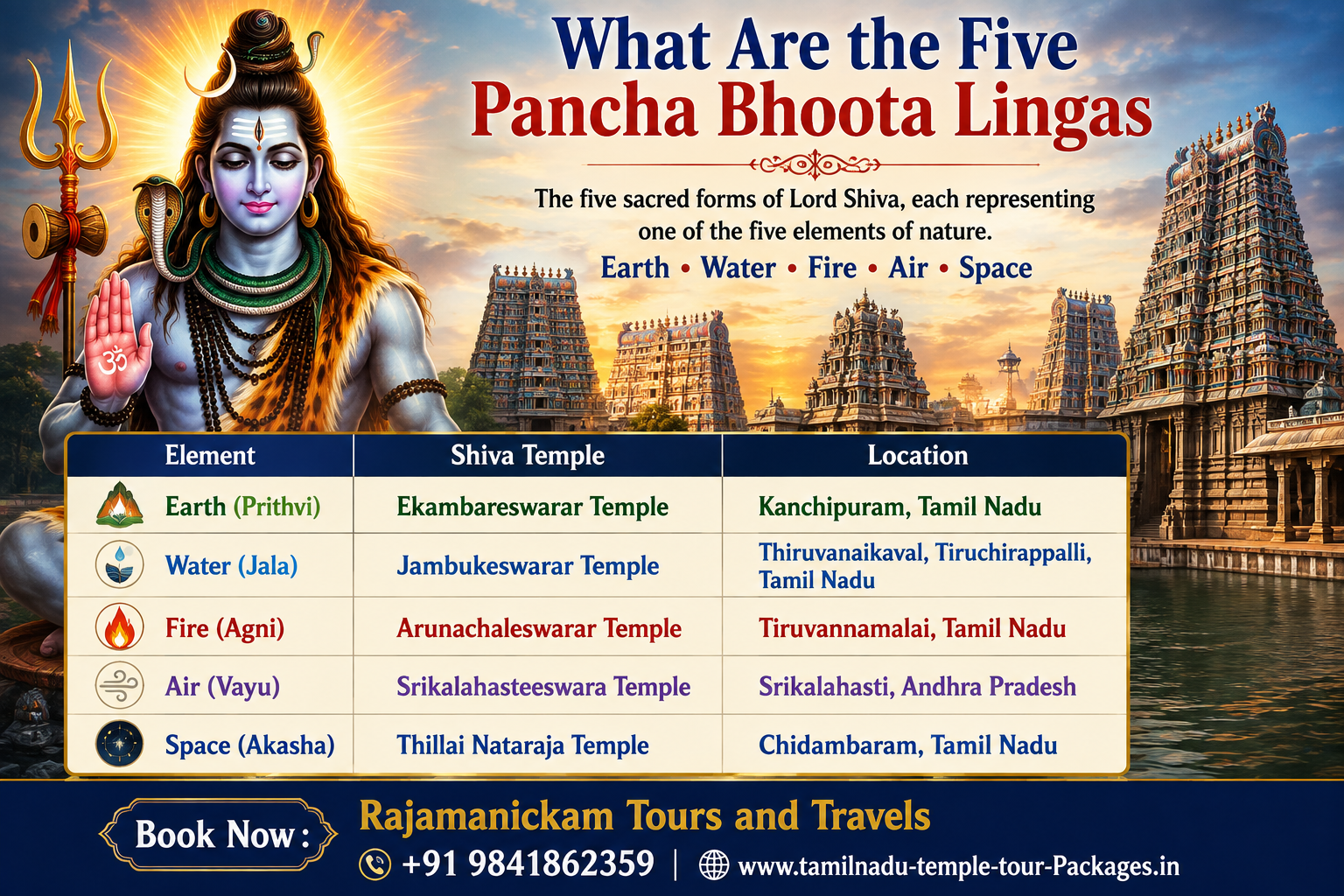
The five Pancha Bhoota Lingas represent the following elements:

Element Shiva Temple Location
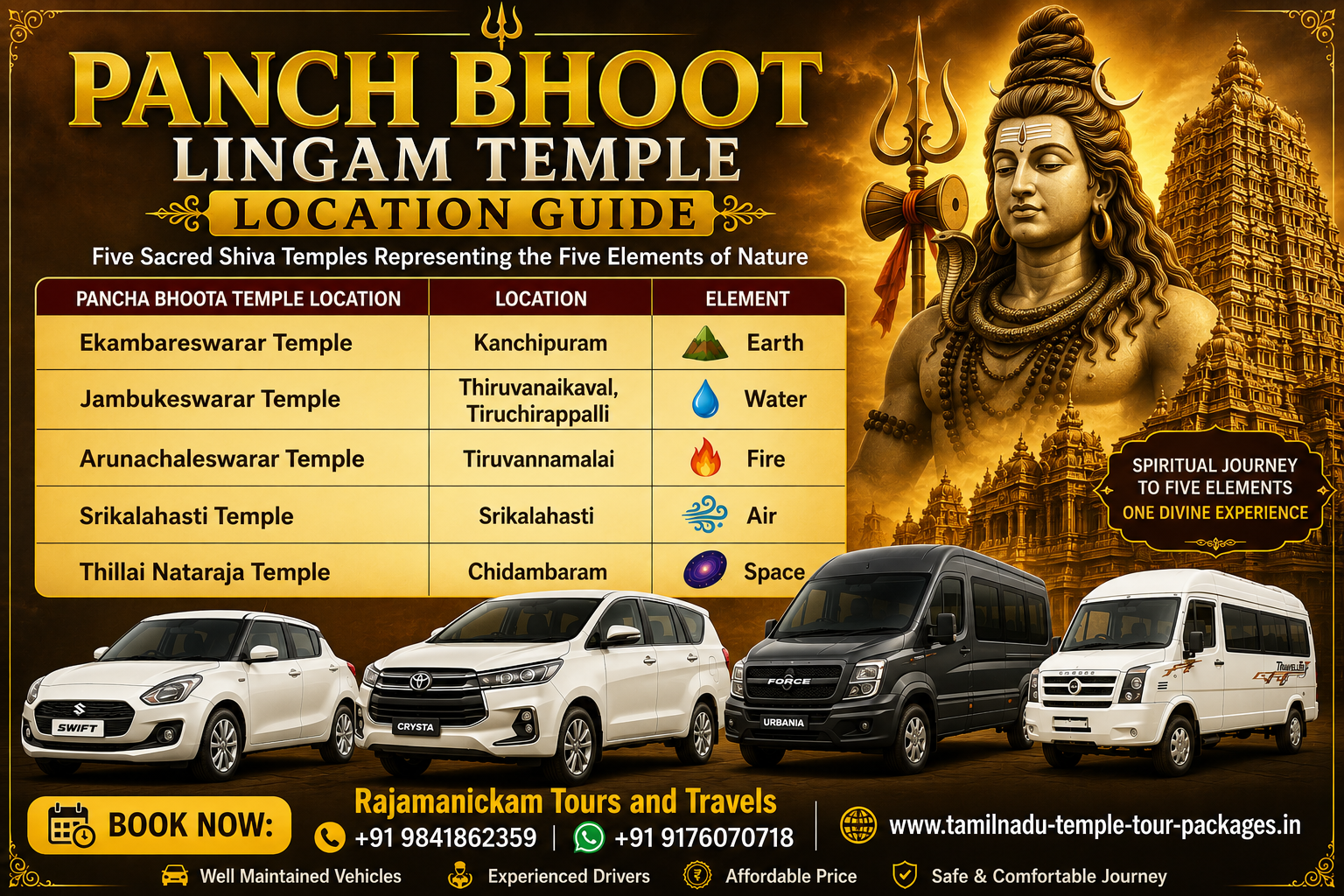
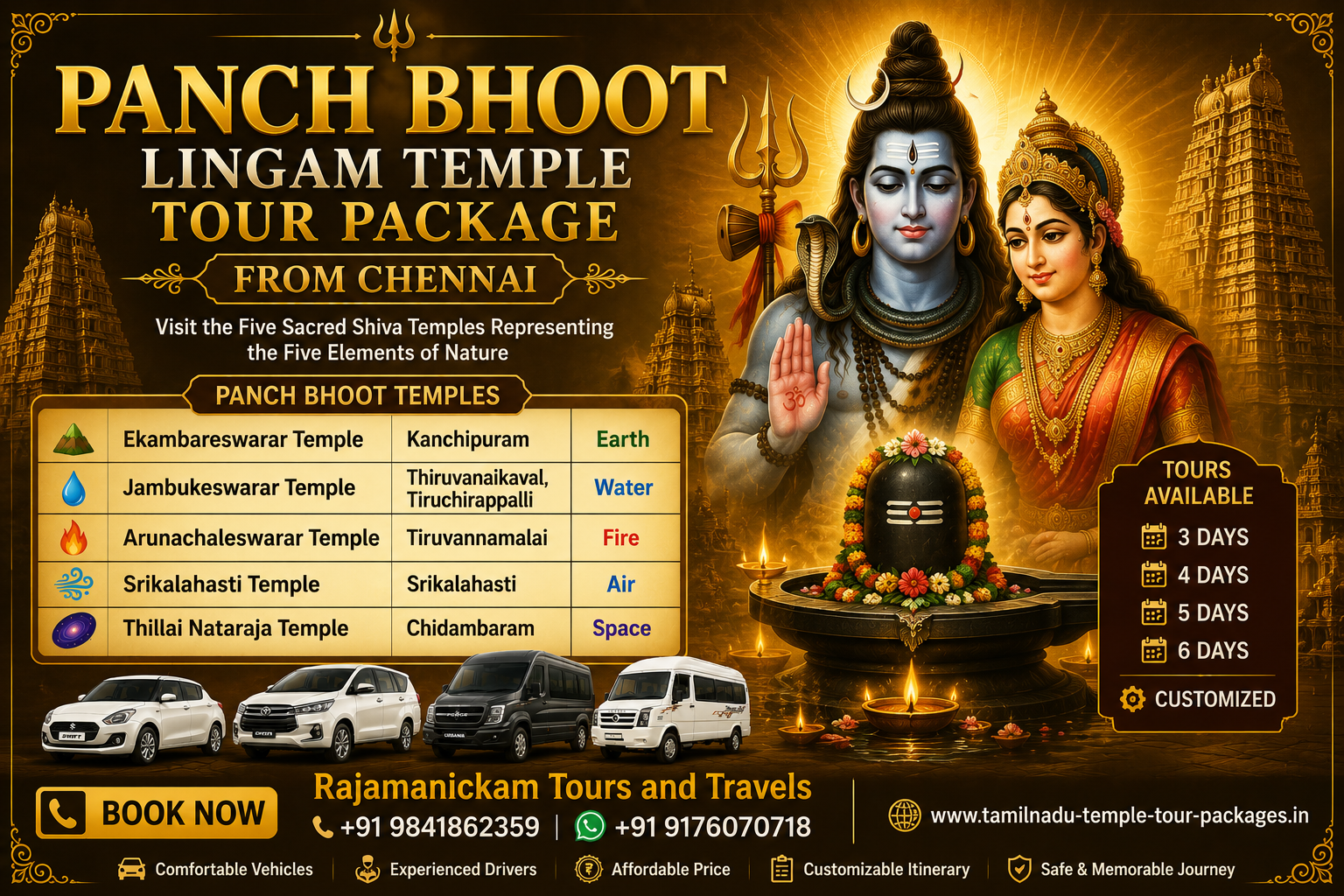
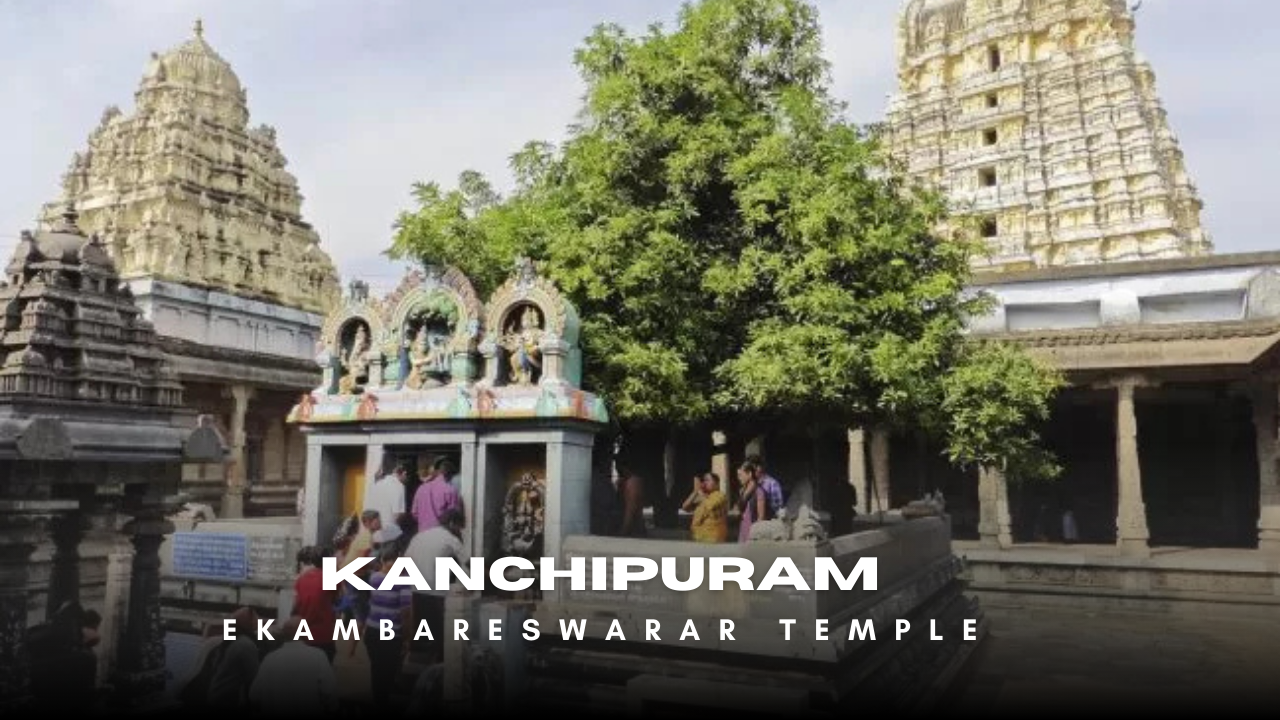
Earth (Prithvi) Ekambareswarar Temple Kanchipuram, Tamil Nadu
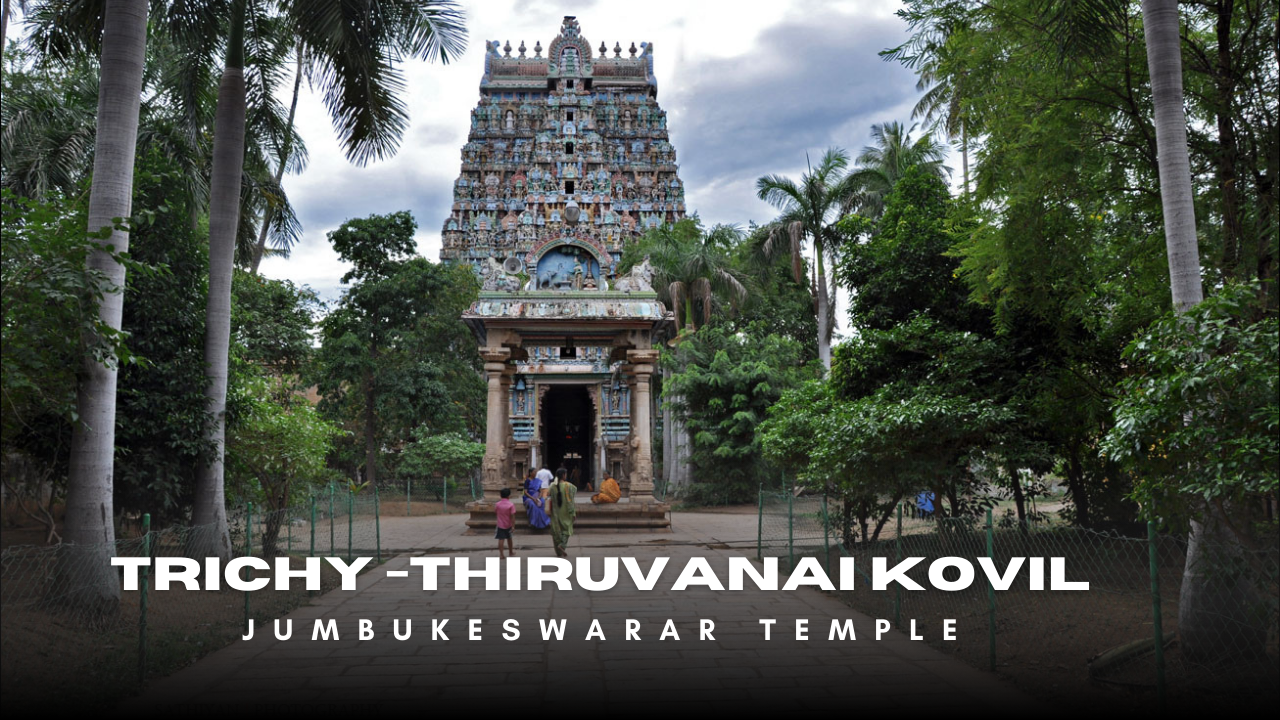
Water (Jala) Jambukeswarar Temple Thiruvanaikaval, Tiruchirappalli, Tamil Nadu
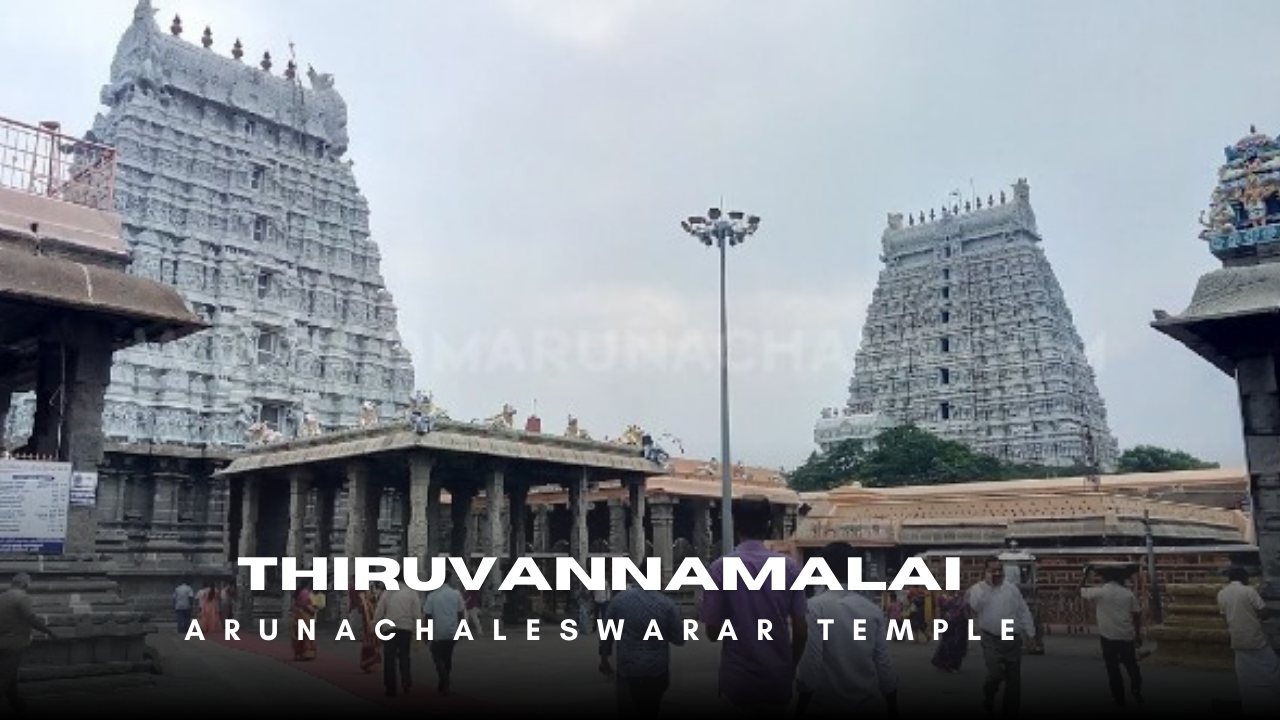
Fire (Agni) Arunachaleswarar Temple Tiruvannamalai, Tamil Nadu
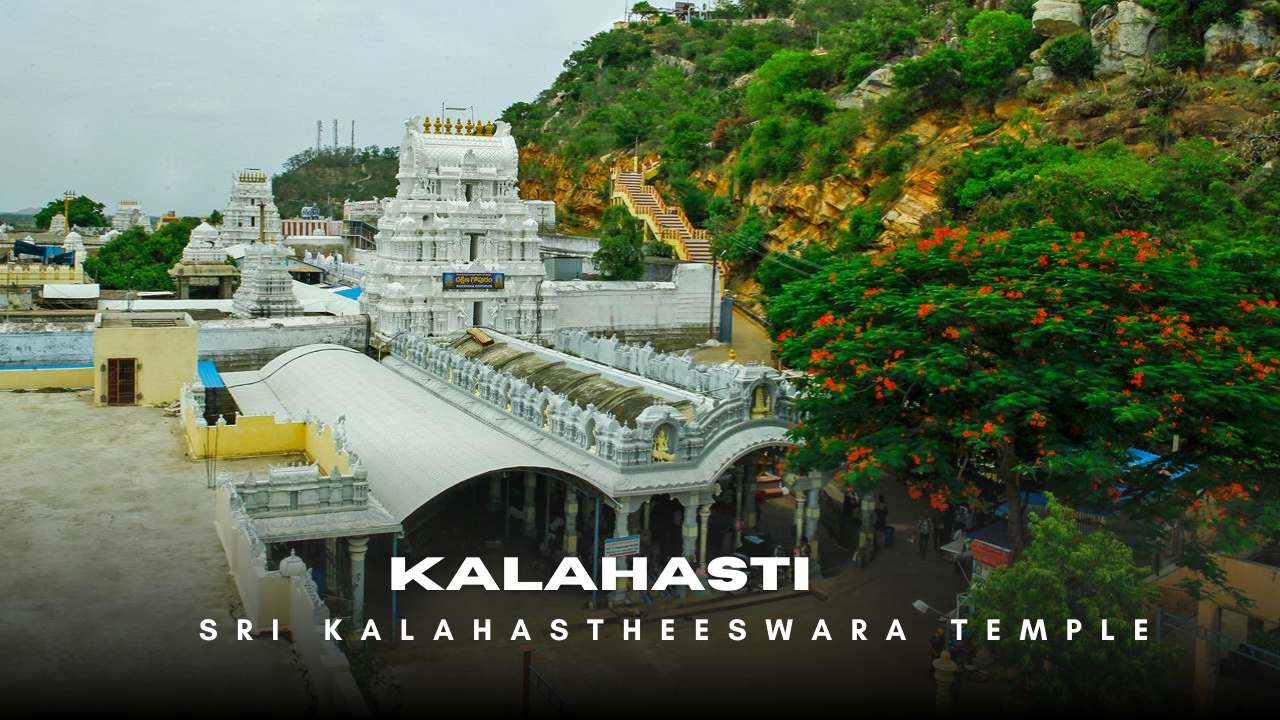
Air (Vayu) Srikalahasteeswara Temple Srikalahasti, Andhra Pradesh
Space (Akasha) Thillai Nataraja Temple Chidambaram, Tamil Nadu

1. Earth – Ekambareswarar Temple, Kanchipuram

The Ekambareswarar Temple in Kanchipuram represents the Earth element (Prithvi). Lord Shiva is worshipped here as Ekambareswarar. The temple is one of the most prominent Shiva temples in Kanchipuram and is known for its impressive gopuram, large temple complex, and long-standing religious traditions.

Pancha Bhoota Element: Earth
Temple: Ekambareswarar Temple
Location: Kanchipuram, Tamil Nadu

2. Water – Jambukeswarar Temple, Thiruvanaikaval

The Jambukeswarar Temple at Thiruvanaikaval represents the Water element (Jala). The shrine is traditionally associated with water, and the presence of water around the Shiva Lingam is an important feature of the temple’s spiritual significance.

Located near Tiruchirappalli, this ancient temple attracts devotees throughout the year.

Pancha Bhoota Element: Water
Temple: Jambukeswarar Temple
Location: Thiruvanaikaval, Tiruchirappalli, Tamil Nadu

3. Fire – Arunachaleswarar Temple, Tiruvannamalai

The Arunachaleswarar Temple in Tiruvannamalai represents the Fire element (Agni). Lord Shiva is worshipped as Arunachaleswarar, and the sacred Arunachala Hill is closely associated with the manifestation of Shiva as fire.

The famous Karthigai Deepam festival is one of the major highlights of Tiruvannamalai and draws large numbers of devotees.

Pancha Bhoota Element: Fire
Temple: Arunachaleswarar Temple
Location: Tiruvannamalai, Tamil Nadu

4. Air – Srikalahasteeswara Temple, Srikalahasti

The Srikalahasteeswara Temple in Srikalahasti represents the Air element (Vayu). Lord Shiva is worshipped as Srikalahasteeswara, and the temple is traditionally regarded as the Vayu Sthalam among the five Pancha Bhoota temples.

Srikalahasti is also a well-known pilgrimage centre and is frequently included in South Indian temple tours.

Pancha Bhoota Element: Air
Temple: Srikalahasteeswara Temple
Location: Srikalahasti, Andhra Pradesh

5. Space – Thillai Nataraja Temple, Chidambaram

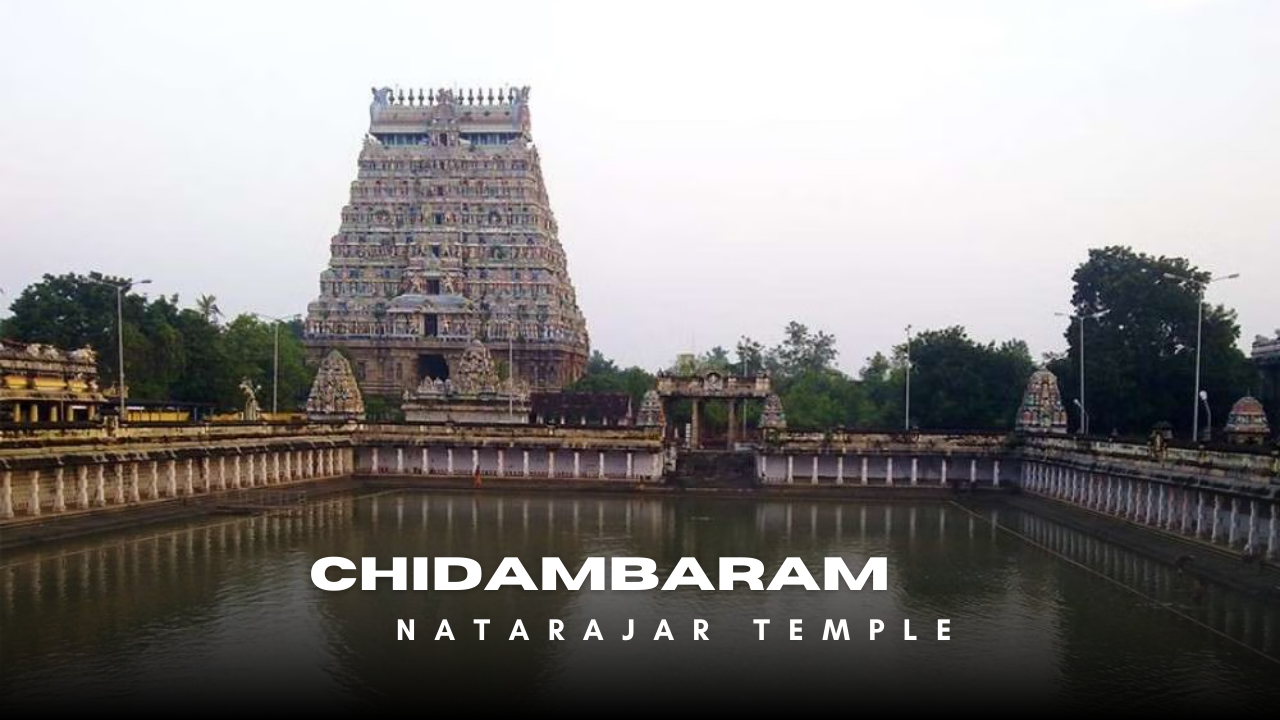
The Thillai Nataraja Temple at Chidambaram represents the Space element (Akasha). Lord Shiva is worshipped here in the form of Nataraja, the cosmic dancer.

The temple is particularly famous for its connection with the concept of Chidambara Rahasyam, which represents the formless aspect of the divine and the vastness of space.

Pancha Bhoota Element: Space
Temple: Thillai Nataraja Temple
Location: Chidambaram, Tamil Nadu

Why Are the Pancha Bhoota Sthalam Temples Important?

The Pancha Bhoota Sthalam temples represent the belief that the divine presence of Lord Shiva is connected with the five elements that make up the universe. Visiting these temples offers devotees an opportunity to experience different forms of Shiva worship while exploring some of South India’s most historic temples.

Plan a Pancha Bhoota Sthalam Yatra from Chennai

Devotees from Chennai can plan a 3-day, 4-day, or 5-day Pancha Bhoota Sthalam pilgrimage, depending on the preferred route and sightseeing schedule. A Tempo Traveller, Urbania, or car can be arranged for families and groups, with flexible pickup and drop-off options.

A well-planned route can cover Kanchipuram, Chidambaram, Tiruvannamalai, Thiruvanaikaval, and Srikalahasti, allowing pilgrims to visit all five sacred elemental forms of Lord Shiva.

Best Pancha Bhoota Lingas Tour Packages

Why Choose a Customized Pancha Bhoota Tour?

A customized tour gives you the flexibility to select your pickup and drop-off locations, travel dates, vehicle type, overnight stays and sightseeing preferences. It is particularly convenient for families and groups who want to complete the pilgrimage at a comfortable pace.

Book Your Pancha Bhoota Sthalam Package

Rajamanickam Tours and Travels offers customized 3-day, 4-day and 5-day Pancha Bhoota Temple Tour Packages from Chennai, Trichy, Tirupati and Bangalore. Car, Tempo Traveller and Force Urbania options are available for family and group pilgrimage travel.

For booking and customized tour details:
📞 +91 98418 62359
📞 +91 91760 70718

Plan your spiritual journey and visit the five sacred Pancha Bhoota Shiva temples with a comfortable and well-organized tour itinerary.
Tagged

Affordable Pancha Bhoota Sthalam Pilgrimage Tours Starting in Chennai

Affordable Pancha Bhoota Sthalam Pilgrimage Tours Starting in Chennai

Affordable Pancha Bhoota Sthalam Pilgrimage Tours Starting in Chennai

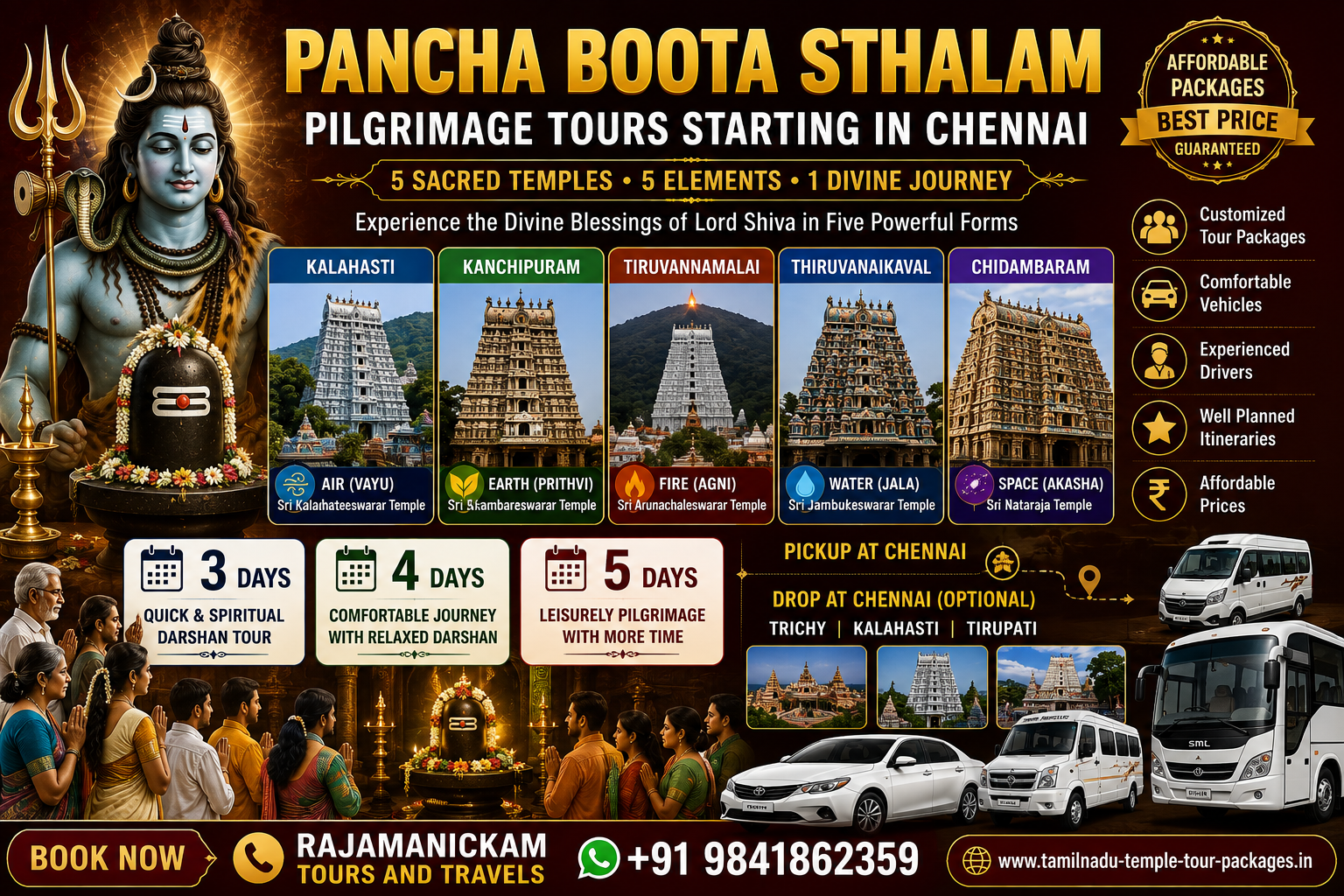
Planning a spiritual journey to the five sacred Pancha Bhoota Sthalam temples from Chennai? Rajamanickam Tours and Travels offers affordable Pancha Bhoota Sthalam pilgrimage tours starting in Chennai, with flexible 3-day, 4-day, 5-day and customized tour plans. Choose from comfortable car, Tempo Traveller and luxury vehicle options with convenient travel arrangements, experienced drivers and budget-friendly packages. Our customized itineraries are designed for families, senior citizens and groups seeking a comfortable and memorable Pancha Bhoota Sthalam temple tour from Chennai at an affordable price.

What Are the 5 Pancha Bhoota Sthalam Temples?

The Pancha Bhoota Sthalam refers to five sacred Shiva temples associated with the five natural elements.

  • Sri Kalahasti Temple – Air (Vayu)
  • Ekambareswarar Temple, Kanchipuram – Earth (Prithvi)
  • Arunachaleswarar Temple, Tiruvannamalai – Fire (Agni)
  • Jambukeswarar Temple, Thiruvanaikaval – Water (Jala)
  • Thillai Nataraja Temple, Chidambaram – Space (Akasha)

Visiting these five temples is a popular pilgrimage journey for Shiva devotees.

Affordable Pancha Bhoota Sthalam Tour from Chennai

An affordable Pancha Bhoota Sthalam tour from Chennai can be planned according to your preferred number of days and vehicle type. The tour focuses on comfortable travel, temple darshan and practical route planning.

Tour Benefits

  • Affordable pilgrimage packages
  • Flexible travel duration
  • Customized itineraries
  • Comfortable vehicles
  • Family and group tour options
  • Experienced drivers
  • Chennai pickup and drop options
  • Temple-focused travel planning

Top 3 Pancha bhoota Stahlam Tour package from Chennai

  1. 2 Nights 3 Days Pacnha Bhoota Temples Tour Package – View Price
  2. 3 Nights 4 Days Pancha Bhoota Sthalam Tour package  – View price 
  3. 4 Nights 5 Days Pancha Bhoota Lingas Tour Package – View Price

How Many Days Are Required for the Pancha Bhoota Sthalam Tour?

Rajamanickam Tours and Travels can arrange the pilgrimage with different duration options.

3-Day Pancha Bhoota Sthalam Tour

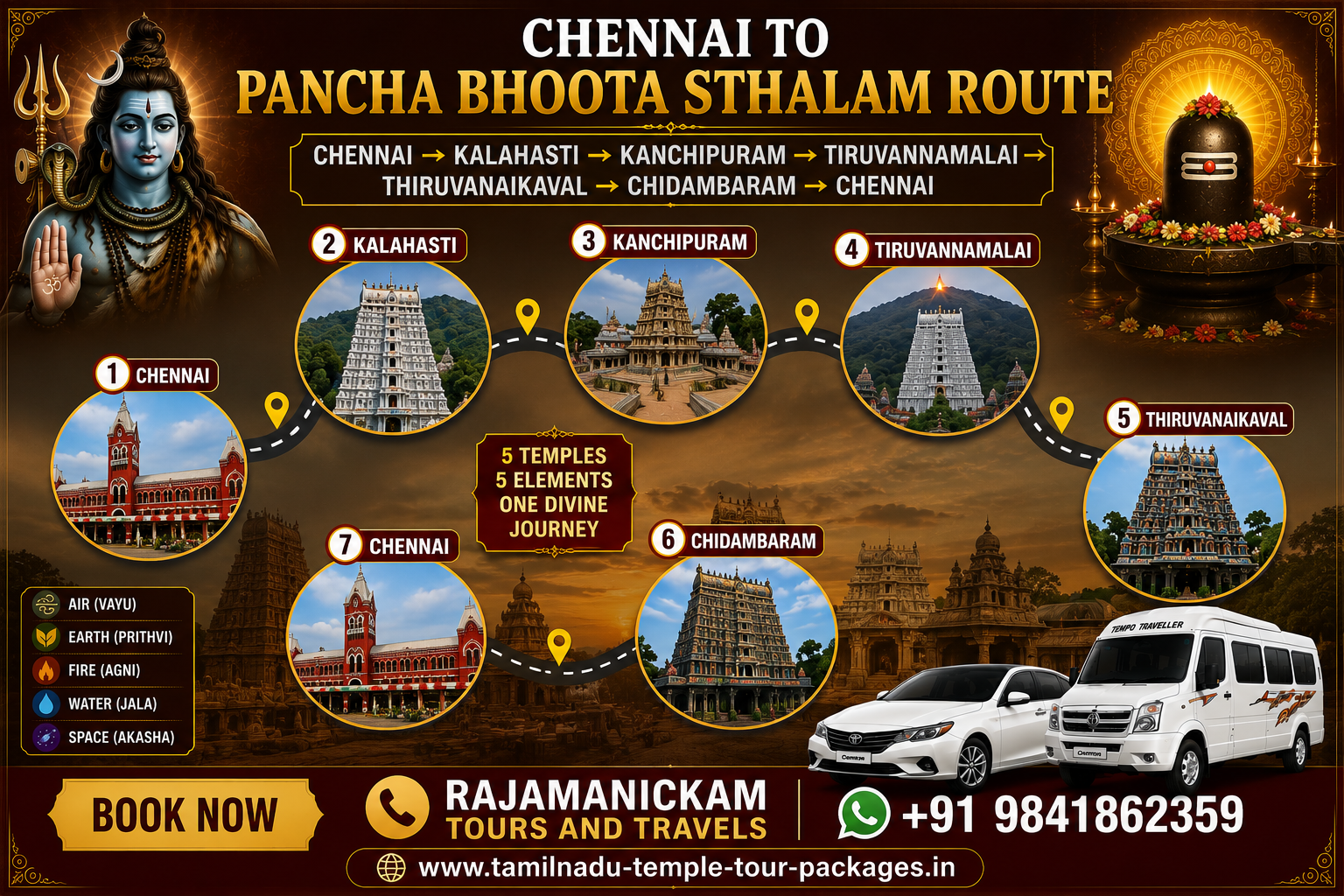
Chennai to Pancha Bhoota Sthalam Route

A 3-day tour is suitable for devotees who have limited time and want to complete all five temples with an efficient itinerary.

Suggested route:

Chennai → Kalahasti → Kanchipuram → Tiruvannamalai → Thiruvanaikaval → Chidambaram → Chennai

This is a compact schedule and requires early starts and efficient travel planning.

4-Day Pancha Bhoota Sthalam Tour

A 4-day itinerary provides more time for temple darshan and rest compared with a 3-day trip.

  • Comfortable travel pace
  • More time for temple visits
  • Suitable for families
  • Flexible meal and rest breaks
  • Optional sightseeing

5-Day Pancha Bhoota Sthalam Tour

A 5-day pilgrimage is ideal for travellers who prefer a relaxed journey.

  • Less rushed travel
  • More time for darshan
  • Comfortable overnight stays
  • Suitable for senior citizens and families
  • Additional sightseeing opportunities

Customized Pancha Bhoota Sthalam Tour

Travellers can also request a customized Pancha Bhoota Sthalam pilgrimage package based on their preferred dates, number of days, group size, accommodation needs and sightseeing preferences.

Pancha Bhoota Sthalam Route from Chennai

A practical pilgrimage route from Chennai is:

Chennai → Sri Kalahasti → Kanchipuram → Tiruvannamalai → Thiruvanaikaval → Chidambaram → Chennai

The exact route and overnight stops can be adjusted depending on the selected tour duration.

Pancha Bhoota Sthalam Temple Details

Sri Kalahasti – Air Element

Sri Kalahasti is associated with the Vayu element and is an important Shiva pilgrimage destination located in Andhra Pradesh.

Ekambareswarar Temple – Earth Element

Located in Kanchipuram, Ekambareswarar Temple represents the Prithvi or Earth element and is one of the prominent Shiva temples in the city.

Arunachaleswarar Temple – Fire Element

The Arunachaleswarar Temple at Tiruvannamalai represents Agni or Fire and is closely associated with Arunachala Hill.

Jambukeswarar Temple – Water Element

Jambukeswarar Temple at Thiruvanaikaval represents the Jala or Water element and is an important Shiva pilgrimage site near Tiruchirappalli.

Thillai Nataraja Temple – Space Element

The Thillai Nataraja Temple at Chidambaram represents Akasha or Space and is famous for Lord Nataraja and its unique spiritual traditions.

Pancha Bhoota Sthalam Tour by Car

A private car is a convenient option for couples and small families travelling from Chennai.

Car tour benefits:

  • Private transportation
  • Flexible departure times
  • Convenient temple visits
  • Suitable for small families
  • Customized route options

Pancha Bhoota Sthalam Tour by Tempo Traveller

For families and larger groups, a Tempo Traveller rental from Chennai provides additional seating and shared travel convenience.

Suitable for

  • Family pilgrimages
  • Friends and relatives
  • Temple tour groups
  • Senior citizen groups
  • Corporate or community groups

Vehicle options can be selected according to the number of passengers.

Luxury Pancha Bhoota Sthalam Tour by Urbania

Travellers looking for a premium journey can choose a Force Urbania for their Pancha Bhoota Sthalam pilgrimage.

Features may include:

  • Premium seating
  • Air conditioning
  • Spacious passenger area
  • Comfortable long-distance travel
  • Suitable for family and group journeys

Pancha Bhoota Sthalam Tour for Families

A family pilgrimage requires careful planning, especially when travelling with children or elderly family members. A customized itinerary can include suitable travel breaks, comfortable accommodation and flexible temple visit timings.

Pancha Bhoota Sthalam Tour for Senior Citizens

For senior citizens, a 4-day or 5-day itinerary may be preferable because it provides more time for rest and avoids an overly rushed schedule.

Travel planning can consider:

  • Shorter daily travel periods where possible
  • Comfortable accommodation
  • Flexible meal breaks
  • Temple darshan timings
  • Convenient vehicle arrangements

Best Time to Visit Pancha Bhoota Sthalam Temples

The five temples can be visited throughout the year. For a comfortable road pilgrimage, many travellers prefer the cooler months.

  • October to March: Generally comfortable for long-distance travel
  • Festival periods may attract large crowds
  • Check individual temple timings before travelling
  • Advance accommodation planning is recommended during major festivals

Why Choose Rajamanickam Tours and Travels?

Rajamanickam Tours and Travels arranges Pancha Bhoota Sthalam pilgrimage tours from Chennai with flexible travel options and customized itineraries.

Tour Highlights

  • Affordable tour packages
  • Customized travel plans
  • 3-day, 4-day and 5-day options
  • Car and Tempo Traveller options
  • Luxury Urbania options
  • Family and group packages
  • Experienced drivers
  • Chennai pickup and drop
  • Flexible sightseeing options

Plan Your Affordable Pancha Bhoota Sthalam Pilgrimage

Whether you have three days or prefer a relaxed five-day pilgrimage, your Pancha Bhoota Sthalam tour from Chennai can be customized according to your requirements. Choose a suitable vehicle, travel duration and itinerary for a comfortable spiritual journey covering all five sacred Shiva temples.

Rajamanickam Tours and Travels offers affordable and customized pilgrimage travel arrangements for devotees planning their 5 Pancha Bhoota Sthalam tour from Chennai.

Book Your Pancha Bhoota Sthalam Tour from Chennai

Start planning your spiritual journey to the five sacred Shiva temples today. Contact Rajamanickam Tours and Travels for affordable Pancha Bhoota Sthalam pilgrimage tours starting in Chennai, customized itineraries and suitable vehicle options for families and groups.

Tagged

How Many Days Required to Visit 5 Pancha Bhoota Sthalam

How Many Days Required to Visit 5 Pancha Bhoota Sthalam

How Many Days Required to Visit 5 Pancha Bhoota Sthalam Temples

Planning to visit the 5 Pancha Bhoota Sthalam temples? Rajamanickam Tours and Travels arranges Pancha Bhoota Sthalam tour packages from Chennai for a minimum of 3 days, with comfortable 4-day and 5-day travel plans also available. Customized itineraries can be arranged based on your travel dates, group size, temple visit preferences, and sightseeing requirements. With flexible travel options and affordable prices with the best tour deals, devotees can plan a comfortable and memorable pilgrimage covering all five sacred Shiva temples.

What Are the 5 Pancha Bhoota Sthalam Temples?

The five temples associated with the five elements are:

  • Sri Kalahasti Temple – Air (Vayu)
  • Ekambareswarar Temple, Kanchipuram – Earth (Prithvi)
  • Arunachaleswarar Temple, Tiruvannamalai – Fire (Agni)
  • Jambukeswarar Temple, Thiruvanaikaval – Water (Jala)
  • Thillai Nataraja Temple, Chidambaram – Space (Akasha)

Together, these temples are known as the Pancha Bhoota Sthalam.

Popular Pancha Bhoota Stahalam Toru package from Varouos Cities in South India 

How Many Days Are Required for Pancha Bhoota Sthalam?

The number of days depends on your starting location and how much time you want to spend at each temple.

3 Days – Quick Pancha Bhoota Sthalam Tour

A 3-day Pancha Bhoota Sthalam tour from Chennai is suitable for devotees who want to cover the five temples with a compact travel schedule.

Possible route:

Chennai → Kalahasti → Kanchipuram → Tiruvannamalai → Thiruvanaikaval → Chidambaram → Chennai

  • Suitable for devotees with limited time
  • Early morning departures are recommended
  • Minimal sightseeing
  • Focus mainly on temple darshan
  • Requires a well-planned itinerary

4 Days – Comfortable Pancha Bhoota Sthalam Tour

A 4-day itinerary provides more flexibility than a 3-day tour. It allows devotees to spend more time at the temples and reduces the pressure of continuous long-distance travel.

Suggested route:

Day 1: Chennai → Sri Kalahasti → Kanchipuram
Day 2: Kanchipuram → Tiruvannamalai
Day 3: Tiruvannamalai → Thiruvanaikaval
Day 4: Thiruvanaikaval → Chidambaram → Chennai

This option is suitable for families and groups who prefer a balanced combination of travel and temple visits.

5 Days – Relaxed Pancha Bhoota Sthalam Pilgrimage

For senior citizens, families, or devotees who prefer a relaxed journey, 5 days can be a better option.

A five-day trip allows additional time for:

  • Temple darshan
  • Rest between journeys
  • Local sightseeing
  • Comfortable hotel stays
  • Flexible meal breaks
  • Avoiding rushed temple visits

Pancha Bhoota Sthalam Route from Chennai

A practical route for covering all five temples from Chennai is:

Chennai → Sri Kalahasti → Kanchipuram → Tiruvannamalai → Thiruvanaikaval → Chidambaram → Chennai

This route covers the five sacred Shiva temples representing the five elements.

5 Pancha Bhoota Sthalam Temple List

1. Sri Kalahasti Temple – Air

Sri Kalahasti Temple is associated with the Vayu or Air element. Located in Andhra Pradesh, it is an important Shiva pilgrimage destination and is commonly included as the first stop when travelling from Chennai.

2. Ekambareswarar Temple – Earth

The Ekambareswarar Temple in Kanchipuram represents the Prithvi or Earth element. It is one of the most important Shiva temples in Kanchipuram and a major pilgrimage attraction.

3. Arunachaleswarar Temple – Fire

The Arunachaleswarar Temple at Tiruvannamalai represents Agni or Fire. The temple is closely associated with Arunachala Hill and the famous Karthigai Deepam festival.

4. Jambukeswarar Temple – Water

The Jambukeswarar Temple at Thiruvanaikaval, near Tiruchirappalli, represents Jala or Water. The temple is famous for its association with the water element and is an important Shiva pilgrimage site.

5. Thillai Nataraja Temple – Space

The Thillai Nataraja Temple at Chidambaram represents Akasha or Space. The temple is particularly renowned for Lord Nataraja and its unique spiritual and architectural traditions.

3-Day Pancha Bhoota Sthalam Tour Itinerary

Day 1: Chennai → Kalahasti → Kanchipuram → Tiruvannamalai

Start early from Chennai and visit Sri Kalahasti Temple. Continue towards Kanchipuram for Ekambareswarar Temple darshan and then travel to Tiruvannamalai.

Overnight: Tiruvannamalai

Day 2: Tiruvannamalai → Thiruvanaikaval

Begin the day with Arunachaleswarar Temple darshan. Travel towards Thiruvanaikaval and visit Jambukeswarar Temple.

Overnight: Tiruchirappalli / nearby

Day 3: Thiruvanaikaval → Chidambaram → Chennai

Complete the temple visit and proceed to Chidambaram for Thillai Nataraja Temple darshan. After the visit, return to Chennai.

Tour ends: Chennai

4-Day Pancha Bhoota Sthalam Tour Itinerary

Day 1: Chennai → Kalahasti → Kanchipuram

Visit Sri Kalahasti and Ekambareswarar Temple.

Day 2: Kanchipuram → Tiruvannamalai

Travel to Tiruvannamalai and visit Arunachaleswarar Temple.

Day 3: Tiruvannamalai → Thiruvanaikaval

Proceed towards Thiruvanaikaval and visit Jambukeswarar Temple.

Day 4: Thiruvanaikaval → Chidambaram → Chennai

Visit Thillai Nataraja Temple and return to Chennai.

Best Option for Families and Senior Citizens

For families and senior citizens, a 4-day or 5-day Pancha Bhoota Sthalam tour is generally more comfortable than a tightly packed 3-day itinerary.

A longer itinerary provides:

  • Less travel pressure
  • More rest time
  • Comfortable temple darshan
  • Flexible meal breaks
  • Better accommodation options
  • Time for selected sightseeing

Pancha Bhoota Sthalam Tour by Car or Tempo Traveller

The choice of vehicle depends on the number of travellers.

  • Car: Suitable for couples and small families
  • 6–7 Seater vehicle: Suitable for small groups
  • 12/14 Seater Tempo Traveller: Suitable for medium-sized families and groups
  • 18 Seater Tempo Traveller: Suitable for larger groups
  • Luxury Urbania: Suitable for groups looking for a premium travel experience

When Is the Best Time to Visit Pancha Bhoota Sthalam?

The temples can be visited throughout the year. For a long-distance pilgrimage, many travellers prefer the cooler months for more comfortable road travel.

  • October to March is generally comfortable for temple tours
  • Festival periods can attract large crowds
  • Check temple opening and darshan timings before travelling
  • Start early each day to cover multiple temples comfortably

How to Plan a 5 Pancha Bhoota Sthalam Tour from Chennai?

A successful pilgrimage depends on good route planning and realistic travel times. Consider:

  • Number of travellers
  • Preferred number of days
  • Temple darshan timings
  • Hotel requirements
  • Vehicle type
  • Senior citizen requirements
  • Sightseeing preferences
  • Return travel arrangements

Book Pancha Bhoota Sthalam Tour Package from Chennai

Devotees can choose a 3-day, 4-day, or 5-day Pancha Bhoota Sthalam tour package from Chennai according to their schedule. A customized itinerary can cover all five sacred Shiva temples with comfortable transportation and planned temple visits.

Rajamanickam Tours and Travels offers customized travel arrangements for families and groups visiting the 5 Pancha Bhoota Sthalam temples from Chennai.

Tagged

Panch Bhoot Lingam Temple Location Guide

Panch Bhoot Lingam Temple Location Guide

Lord Shiva Panch Bhoot Lingam Temple Location Guide

The Pancha Bhoot Lingam Temple Location Guide provides useful information for devotees planning to visit the five sacred Lord Shiva temples associated with the five elements of nature — Earth, Water, Fire, Air, and Space. These famous Shiva temples are located in Kanchipuram, Tiruchirappalli, Tiruvannamalai, Srikalahasti, and Chidambaram. Each temple has its own spiritual importance, ancient history, unique traditions, and beautiful temple architecture. Whether you are planning a family pilgrimage, a group temple tour, or a multi-day Pancha Bhoota Shiva Temples Tour from Chennai, this guide helps you understand the temple locations and plan your journey comfortably.

Pancha Bhoota Lingam Temples and Their Locations

Each temple represents one natural element and has its own unique spiritual history, architecture, and traditions. Visiting all five temples offers devotees an opportunity to experience the significance of the Pancha Bhoota concept.

1. Ekambareswarar Temple – Earth Element

Location: Kanchipuram, Tamil Nadu

Ekambareswarar Temple is associated with the Earth element (Prithvi). The temple is one of the major Shiva temples in Kanchipuram and is known for its magnificent gopurams, spacious temple complex, and ancient sacred traditions.

2. Jambukeswarar Temple – Water Element

Location: Thiruvanaikaval, Tiruchirappalli, Tamil Nadu

Jambukeswarar Temple represents the Water element (Jala). The temple is particularly famous for the traditional association of the Shiva Lingam with an underground water source. It is one of the important pilgrimage attractions around Tiruchirappalli.

3. Arunachaleswarar Temple – Fire Element

Location: Tiruvannamalai, Tamil Nadu

Arunachaleswarar Temple represents the Fire element (Agni). The temple stands at the foot of sacred Arunachala Hill and attracts thousands of devotees. The Karthigai Deepam festival is one of the most significant celebrations associated with Arunachala.

4. Srikalahasti Temple – Air Element

Location: Srikalahasti, Andhra Pradesh

Srikalahasteeswara Temple is traditionally associated with the Air element (Vayu). Known as the Vayu Sthalam, the temple is an important Shiva pilgrimage destination and is also frequently visited by devotees travelling to and from Tirupati.

5. Thillai Nataraja Temple – Space Element

Location: Chidambaram, Tamil Nadu

Thillai Nataraja Temple represents the Space element (Akasha). The temple is dedicated to Lord Nataraja, the dancing form of Lord Shiva, and is renowned for its spiritual significance, traditional architecture, and connection with the concept of Chidambara Rahasyam.

Five Pancha Bhoota Temples at a Glance

Element Shiva Temple Location
Earth Ekambareswarar Temple Kanchipuram
Water Jambukeswarar Temple Thiruvanaikaval, Tiruchirappalli
Fire Arunachaleswarar Temple Tiruvannamalai
Air Srikalahasteeswara Temple Srikalahasti
Space Thillai Nataraja Temple Chidambaram

Where Are the Pancha Bhoota Temples Located?

Four of the five traditional Pancha Bhoota temples are in Tamil Nadu, while Srikalahasti is located in Andhra Pradesh. Because the temples are spread across different cities, devotees planning to visit all five should allow enough time for road travel and temple darshan.

Pancha Bhoota Temples Route from Chennai

For travelers starting from Chennai, a Pancha Bhoota tour can be arranged using a suitable route covering Kanchipuram, Srikalahasti, Tiruvannamalai, Chidambaram, and Tiruchirappalli. The order can be changed depending on the number of days available and other temples included in the itinerary.

Popular Pancha Bhoota Sthalam Tour Packages

Pancha Bhoot Lingam Tour Package

  1. 3 Days Pancha Bhoota Temple Trip Chennai- Click Here
  2. 4 Days Pancha Bhoota Sthalam Package Chennai – Click Here
  3. 5 Days Pancha Bhoota Lingam Package Chennai – Click Here
  4. Tirupati to Pancha Bhoota Stahalam Tour package – Click Here
  5. Bangalore to Pancha Bhoota temple Tour Package – Click Here
  6. Trichy to Pancha Bhoota Lingam Tour Package – Clcik Here
  7. Rameshwaram to Pancha Bhoota Sthaalm package – Click Here

Pancha Bhoota Shiva Temples Tour by Car or Tempo Traveller

Families and groups can plan the pilgrimage using a private car, Tempo Traveller, or other group vehicle. A Tempo Traveller is particularly convenient for larger groups because everyone can travel together between the temple destinations.

How Many Days Are Needed for the Pancha Bhoota Temple Tour?

The duration depends on the starting point, travel route, temple timings, and sightseeing plans. A tour from Chennai can be planned over 3, 4, 5, or more days to allow comfortable travel and sufficient time for temple visits.

Best Way to Plan a Pancha Bhoota Temple Trip

Before starting the journey, it is useful to plan the route, accommodation, temple visit timings, and transportation in advance. Travelers should also allow additional time for traffic and longer travel between destinations.

Why Visit the Pancha Bhoota Lingam Temples?

The Pancha Bhoota temples offer more than a sightseeing experience. Each temple has its own history and religious traditions, while together they represent the five elements that are traditionally understood as fundamental to nature and existence.

Book a Pancha Bhoota Temples Tour from Chennai

Devotees planning a group pilgrimage from Chennai can arrange a customized Pancha Bhoota Temples Tour Package with a comfortable vehicle and experienced driver.

Rajamanickam Tours and Travels provides transportation for family pilgrimages, temple tours, and group travel from Chennai.

Book Now: Rajamanickam Tours and Travels
Phone / WhatsApp: +91 9841862359 | +91 9176070718
Website: www.tamilnadu-temple-tour-packages.in

Tagged

Outstanding Itinerary For Pancha Bhoota Temples Tour Packages Is The Help Are The Heart Touch

Outstanding Itinerary For Pancha Bhoota Temples Tour Packages Is The Help Are The Heart Touch

🌟 Extraordinary Pancha Bhoota Temples Tour Packages – A Complete Itinerary at a Reasonable Price 🌟

The Perfect Pancha Bhoota Temples Tour Package Spiritual Itinerary at a Reasonable Price

If you’ve ever felt the pull of ancient mysticism, the echo of chanting priests, or the raw power of the elements themselves, the Pancha Bhoota Sthalas (the five elemental Shiva temples) are a pilgrimage you simply can’t miss.

In this post we’ll walk you through a well‑crafted, budget‑friendly itinerary that lets you soak in the spiritual aura, capture breathtaking landscapes, and still keep your wallet happy. Whether you’re a solo traveler, a family on holiday, or a group of friends seeking a soul‑refreshing adventure, our curated tour packages have you covered.


📍 What Are the Pancha Bhoota Temples?

Element Temple (Town) Main Deity Iconic Feature
Earth Ekambareswarar Temple, Kanchipuram Lord Shiva (Ekambareswarar) Massive 12‑meter‑tall Mahamaya Lingam, sprawling mango‑grove complex
Water Jalandhara (Jalakandeswarar) Temple, Kanchipuram Lord Shiva (Jalakandeswarar) Sacred pond that fills the sanctum; rituals performed at the water’s edge
Fire Annamalaiyar Temple, Tiruvannamalai Lord Shiva (Annamalaiyar) Annamalai Hill (the “Flame of the Earth”) – nightly Karthigai Deepam fire ceremony
Air Srikalahasti Temple, Srikalahasti Lord Shiva (Srikalahasteeswarar) The wind‑swept sanctum; legend says a breeze continuously blows from the inner sanctum
Ether (Space) Thillai Nataraja Temple, Chidambaram Lord Shiva as Nataraja The Chidambaram “Hall of Space”—a mystical empty space representing the limitless ether

These temples make a circuit of the five elements — a rare pilgrimage that unites natural forces with divine worship.

🗓️ Discover the Divine: A 3-Day Journey Through the Pancha Bhoota Temples

Day 1:- Chennai to Srikalahasti-Kanchipuram-Tiruvannamalai
Today Morning 6.00 AM Chennai Pickup to Srikalahasti, Reach at Kalahasti Darshan to Pancha Bhoota Sthalam for wind Vayu lingam (Air) after visit start your journey kanchipuram, reach at kanchipuram visit to Pancha Bhoota Sthalam of Ekambareswarar temple Prithvi Lingam-Earth (land) after visit Proceed to Tiruvannamalai hotel transfer. – Night Stay at Tiruvannamalai

Day 2:- Tiruvannamalai to Tiruvanai Koil-Chidambaram
Today Morning after Breakfast Visit to Tiruvannamalai Arunachaleeswarar temple one of The Pancha Bhoota Sthalam Of Jothi Lingam (Fire) after Visit Checkout from the hotel start Your Journey Thiruvanai koil, reach at Thiruvanai koil Visit to Pancha boota Sthalam Of Tiruvanai koil Jambukeswarar temple Appu Lingam (Water) after Visit Proceed to Chidamabram Hotel Transfer.- Night Stay at Chidamabram

Day 3:- Chidambaram to Chennai Drop
Today Morning Visit to Pancha Bhoota Sthalam Of Thillai Natarajar temple- Agaya Lingam (Space) after Visit Proceed to Chennai Drop

View Price Click Here


🗓️ Sacred Sojourn: Your 4-Day Itinerary to the Pancha Bhoota Temples

Day 1: Chennai to kalahasti-Kanchipuram
Today Morning (or) afternoon Chennai Pickup to kalahasti, reach at Kalahasti Darshan to Srikalahasti Srikalahasteeswara temple ( Earth) after Darshan Proceed to Kanchipuram, reach at Kanchipuram Check in to hotel and Leisure.- Night Stay at Kanchipuram 

Day 2:- Kanchipuram-Tiruvannamalai
Today Morning Check out from the hotel Start to drive Darshan to Kanchipuram Ekambareswarar temple (Earth) after Darshan Proceed to Thiruvannamalai, reach at Thiruvannamalai Check in to hotel and Leisure.- Night Stay at Thiruvannamalai 

Day 3:- Tiruvannamalai to Tiruvanai koil-Chidambaram
Today Morning darshan to Thiruvannamalai Arunachaleeswarar temple ( Fire) after Darshan Before 12.00 Noon Check out from the hotel Proceed to Tiruvanai Koil, reach at Tiruvanai Koil after 4.00 PM Darshan to Jambukeswarar temple darshan (water) after darshan Proceed to Chidambaram Over Night Hotel Transfer. – Night Stay at Chidambaram 

Day 4:- Chidambaram to Chennai Drop
Today Early Morning Darshan to Pancha Bhoota Sthalam Of Thillai Natarajar temple- Agaya Lingam (Space) after Darshan 10.00 AM Check out from the hotel Proceed to Chennai Departure for onward Your Journey – Take a Travel 5 Hours

🗓️ Serenity Awaits: Your 5-Day Relaxed Tour of the Pancha Bhoota Temples

Day 1:- Chennai to Kalahasti-Kanchipuram
Today Morning 5.00 AM to 6.00 AM Chennai Pickup to Kalahasti, reach at Kalahasti Darshan to Srikalahasteeswara temple (Earth) after Darshan Proceed to Kanchipuram, reach at Kanchipuram Check in to hotel and Leisure. – Night Stay at Kanchipuram

Day 2: – Kanchipuram- Tiruvannamalai
Today Morning Breakfast at hotel after Breakfast Check out from the hotel start to drive Darshan to Kanchipuram Ekambareswarar temple (Earth) after Darshan kanchipuram Shopping and after Lunch 3.00 PM Proceed to Tiruvannamalai, reach at Tiruvannamalai Check in to hotel and Leisure. – Night Stay at Tiruvannamalai

Day 3: – Tiruvannamalai- Trichy-Tiruvanaikoil-Trichy
Today Early Morning Girivalam after Girivalam Breakfast at hotel after Breakfast Check out from the hotel start to drive darshan to Tiruvannamalai Arunachaleshwarar temple (Fire) after Darshan Proceed to Trichy, reach at Trichy Check in to Fresh up after Fresh up start to drive Tiruvanaikoil Jambukeswarar temple darshan (water) after darshan Back to Hotel. – Night Stay at Trichy

Day 4: – Trichy to Srirangam-Chidambaram
Today Early Morning Breakfast at Hotel after Breakfast Check out from the hotel Start to drive Srirangam Ranganathar temple Darshan After Darshan Proceed to Chidambaram Hotel Transfer. – Night Stay at Chidambaram

Day 5: – Chidambaram- Chennai
Today Early Morning Breakfast at Hotel after Breakfast Darshan to Thillai Natarajar temple (Space) after Darshan Before 12.00 Noon Check Out from Proceed to Chennai Drop –  Take a Travel 5 Hours

View Price Click Here


🗓️ A Pilgrimage of Peace: 6 Days at the Pancha Bhoota Sthalam Temples

Day 01:- Chennai to Srikalahasti-Kanchipuram
Today Afternoon Chennai Pickup to Srikalahasti, Reach Srikalahasti darshan to Srikalahasteeswara temple (Pancha Bhoota Sthalam – Air) after darshan start to drive Kanchipuram hotel transfer. – Night Stay at Kanchipuram.

Day 02:- Kanchipuram-Tiruvannamalai
Today Morning darshan to Kanchi Kamatchi Amman temple , Ekambareswarar temple Pancha Bhoota Sthalam – Earth) after darshan Checkout from the hotel start to Tiruvannamalai, reach at Tiruvannamalai Check in to hotel and Leisure. – Night Stay at Tiruvannamalai.

Day 03:- Tiruvannamalai to Chidambaram
Today Morning darshan to Arunachaleeswarar temple ( Pancha Bhoota Sthalam – Fire) after darshan 12.00 Noon Checkout from the hotel Start to drive Chidambaram, reach at Chidambaram Check in to hotel Leisure. – Night Stay at Chidambaram.

Day 04:- 5th April 2025 – Chidambaram to Trichy
Today Morning Darshan to Thillai Nataraja temple (Pancha Bhoota Sthalam – Sky) after darshan Check out from the hotel Proceed to Trichy Hotel transfer and Leisure. – Night Stay at Trichy.

Day 05:- Trichy to Thiruvanai Koil-Chennai
Today Morning darshan to Thiruvanai Koil Jambukeswarar temple (Pancha Bhoota Sthalam – Water) after Darshan Checkout from the hotel Proceed to Chennai Hotel Transfer.- Night Stay at Chennai

Day 06:- Hotel to Chennai Airport Drop
Today Morning Check Out from the hotel Proceed to Chennai Airport Departure for Onward Your Journey

🎒 What’s Inside the Package? (What You’ll Get)

  1. Comfortable Transport – Air‑conditioned Vehicles  and a dedicated driver.
  2. Accommodations – Budget or Standard Hotels : Budget Means 2 Star , Standard Means 3 Star Equal
  3. Compliment Breakfast at Standard Hotels Only

📸 Photo‑Friendly Spots (Don’t Forget Your Camera!)

Temple Must‑Capture Moment
Ekambareswarar The towering Mahamaya Lingam framed by ancient mango trees.
Jalakandeswarar Reflections in the sacred pond at sunrise.
Annamalaiyar The glowing Karthigai Deepam fire against the night sky.
Srikalahasti The wind‑swept bell ringing inside the sanctum.
Thillai Nataraja The empty “Hall of Space” – a perfect minimalist shot.

Pro tip: Early morning is the best time to avoid crowds and get soft lighting for your photos.


🗓️ How to Book – Quick Steps

  1. Visit our website – www.tamilnadu-temple-tour-packages.in or click the “Book Now” button below.
  2. Select your package – Budget Or Standard
  3. Travel dates – 45 Days Before Any Days Choose Your Choise
  4. Enter traveler details – Name, passport (if arriving from abroad), dietary preferences.
  5. Pay a 60 % deposit – Secure your spot instantly.
  6. Receive confirmation – Includes Advance Amount , Balance Amount , travel Datest, and emergency contact numbers.

Need a custom itinerary? Drop us a line at rajamanickamtours@gmail.com – we’ll craft a personalized plan within 24 hours.


🙏 Why This Tour Is Extraordinary

  • Holistic Experience: You’re not just ticking off five temples; you’re walking through Earth, bathing in Water, feeling the Heat of Fire, breathing Air, and meditating in Ether—all within a single journey.
  • Cultural Depth: Each site offers a unique legend, a distinct architectural style (Dravidian, Gopuram‑rich, rock‑cut), and a living tradition of art and music.
  • Value for Money: Comparable pilgrimages in the same region often exceed ₹25,000 per person. Our Standard package gives you a ~44 % saving without compromising comfort.
  • Small‑Group Intimacy: Maximum 12 participants per bus ensures you get personal attention from the guide and ample space for reflection.

📣 Ready to Embark?

The Pancha Bhoota pilgrimage is a once‑in‑a‑lifetime spiritual odyssey that blends mythology, nature, and Indian heritage into a seamless adventure. Seats fill fast—especially during the auspicious Maha Shivaratri and Karthigai Deepam months (Oct‑Nov).

Tagged

Exploring the Temples of Five Elements

Exploring the Temples of Five Elements

A Complete Guide to the Temples of the 5 Elements

Exploring the Temples of Five Elements pulls you into China’s ancient power spots. Wood temple grows with life. Fire blazes energy. Earth stands firm. Metal cuts sharp. Water runs deep.

When Stone Becomes Scripture

If you’ve ever stood in a quiet forest, felt the mist rise off a river, watched a sunrise set a mountain ablaze, inhaled the crisp breath of a high‑altitude plateau, or marveled at the endless night sky, you’ve sensed the five primordial forces that ancient Indian philosophy calls Pancha Bhoota – Earth (Prithvi), Water (Ap), Fire (Agni), Air (Vayu), and Ether/Space (Akasha).

These elements are more than just scientific categories; they’re living energies that shape the cosmos and the human experience. In the southern state of Tamil Nadu, a series of five Shiva temples—collectively known as the Pancha Bhoota Sthalams—embody each element in stone, water, fire, wind, and light. Pilgrims, architects, and travelers alike have been drawn to these sites for centuries, seeking both spiritual insight and aesthetic wonder.

In this post, we’ll take a virtual journey through each of the five temples, unravelling the myths that birthed them, the architectural marvels that preserve those myths, and the practical tips you’ll need to experience the elemental pilgrimage for yourself.


1. Earth – Ekambareswarar Temple, Kanchipuram

The Legend

According to legend, the sage Parashurama once pleaded with Shiva for a permanent abode on Earth. In response, Shiva manifested as a lingam of sand beneath a massive mango tree—hence the name Ekambareswarar (“Lord of the Mango Tree”). The deity promised that anyone who worshipped here would receive the stability and fertility that the earth itself provides.

Architectural Highlights

  • Gopuram (Gateway Tower): The 192‑foot, 12‑tiered gopuram, painted in vibrant reds and golds, dominates the skyline and serves as a symbolic “root” rising from the ground.
  • Mango Tree: A centuries‑old Madhuca longifolia still stands in the inner courtyard, a living reminder of the temple’s origin story.
  • Hall of Pillars: Over 80 intricately carved pillars showcase scenes of the Ramayana and local legends, each seemingly “grounded” in the earth with massive, squat bases.

What to Experience

  • Earthing Ritual: Join the early‑morning pradakshina (circumambulation) barefoot on the granite floor. The cool stone is said to “ground” both body and mind.
  • Local Flavors: Grab a bowl of Kanchipuram idli (steamed rice cakes) from a nearby stall; the dish’s soft texture mirrors the temple’s earthy ambiance.

Travel Tip

  • Best Time to Visit: November–February, when the climate is cool and the temple garden is in full bloom.

2. Water – Jambukeswarar Temple, Thiruvanaikaval (Trichy)

The Legend

The story goes that the celestial river Ganga once descended to Earth in the form of a waterfall to worship Shiva. The deity appeared as a lingam that constantly drips water, underscoring the perpetual flow of life. The word Jambu refers to the glossy jamun tree that stands near the sanctum, whose roots draw water from the underground stream.

Architectural Highlights

  • Perennial Water Flow: A natural spring runs behind the main sanctum. A silver stream constantly drips onto the lingam, audible throughout the inner hall.
  • Four‑Sided Sanctum: The garbhagriha (inner sanctum) has four doors, each opening to a different element; the western door faces water and is always kept slightly ajar to allow the sound of water to echo.
  • Temple Tank (Theertham): The massive Rajarajeswaram tank is used for ritual bathing; its surface reflects the surrounding temples like a liquid mirror.

What to Experience

  • Ritual Bath: Participate in the Abhishekam (ritual bathing of the lingam) – the priests pour water from copper vessels, and you can feel the cool droplets on your skin.
  • Evening Aarti: As the sun sets, the temple lights shimmer on the water, creating a magical, almost ethereal glow.

Travel Tip

  • Carry a Light Raincoat: The constant drizzle inside the sanctum can make you damp, especially during monsoon season (June–September). A light, quick‑dry raincoat will keep you comfortable.

3. Fire – Annamalaiyar Temple, Thiruvannamalai

The Legend

Long ago, Lord Shiva manifested as a column of fire (the Jyotirlinga) to test the devotion of the gods. He promised to burn away all impurities for those who circumambulated his mountain 12 times. The hill Annamalai itself is revered as the fire embodiment, and the temple sits at its base.

Architectural Highlights

  • Gopurams and Mandapas: The temple complex boasts 13 gopurams with intricate stonework, culminating in a towering 100‑foot pinnacle that seems to pierce the sky—symbolic of fire’s upward thrust.
  • Karthika Deepam Festival: Each December, a massive beacon (the Karthika Deepam) is lit atop the hill, visible from miles away.
  • Stone Carvings: Depictions of the Vedas and cosmic dance (Ananda Tandava) are etched into the fire‑colored sandstone, giving the feeling of being surrounded by ember‑like patterns.

What to Experience

  • Girivalam (Hill Circumambulation): Walk the 14‑km path around the hill—especially powerful during full moons. Many pilgrims carry a small lamp to symbolize inner fire.
  • Taste the “Fire” Food: Try the thick, spicy rasam offered in the temple’s cafeteria; it’s said to awaken the digestive fire (Agni).

Travel Tip

  • Early Morning or Late Evening: The hill can be scorching in the midday sun. Opt for a dawn or dusk trek to avoid heat and witness the spectacular sunrise/sunset over the hill.

4. Air (Wind) – Srikalahasti Temple, Andhra Pradesh

The Legend

Legend tells that Sage Bhrigu once asked Shiva to reveal the ultimate truth. Shiva responded by releasing a gust of wind that carried the sage’s thoughts to the heavens. The wind god Vayu became the temple’s guardian, and a Vayudeva (wind deity) shrine sits right next to the main sanctum.

Architectural Highlights

  • Wind‑Powered Bell: A bronze bell installed in the main hall rings whenever a breeze passes; its sound is said to cleanse the mind.
  • Four‑Story Gopuram: The towering gopuram is perforated with lattice windows that let air swirl through, creating a natural ventilation system that has stood for centuries.
  • Ritual of Pradakshina With a Fan: Devotees swirl hand‑held fans while circumambulating, symbolically honoring the element of air.

What to Experience

  • Anjaneya (Hanuman) Flight: During Uttara Dhanur (the “wind festival”), a troupe performs aerial dances that mimic the motion of wind currents.
  • Ayurvedic Breathwork: Local ashrams offer pranayama sessions on the temple steps, letting you inhale the fresh, fragrant air scented with sandalwood and jasmine.

Travel Tip

  • Bring a Light Scarf: The temple’s open architecture can cause sudden gusts, especially during the monsoon; a scarf keeps your hair and face comfortable.

5. Ether/Space – Thillai Nataraja Temple, Chidambaram

The Legend

In the cosmic dance of Nataraja, Shiva’s form transcends all physical elements, representing the infinite Akasha (ether). The temple’s sanctum houses the golden Nataraja idol, poised amidst a chandra (moon) and surya (sun), signifying the void that contains all.

Architectural Highlights

  • The “Chidambaram Rahasyam” (Secret of Space): The inner sanctum’s roof is open to the sky, allowing the celestial sphere to become part of the worship space. Sunlight streams in, creating a cosmic interplay of light and shadow.
  • Koothambalam (Performance Hall): A 100‑year‑old wooden stage where sacred Bharatanatyam performances reenact the mythic dance, turning the space into a living narrative.
  • Thillai Forest Motif: Intricate stone work depicts the ancient Thillai forest, symbolizing the boundless, unseen ether that surrounds us.

What to Experience

  • Night Aarti Under the Stars: On full moon nights, the sanctum’s open roof creates a dramatic silhouette of the Nataraja, as worshippers chant under the starlit sky.
  • Silence Meditation: Sit in the Ratna‑Bhoomi (the jewel‑filled courtyard) where the acoustic design channels natural silence—a perfect setting for a brief meditation on the concept of emptiness.

Travel Tip

  • Book a Guided Night Tour: The temple’s night rituals are a rare spectacle. Guided tours usually start at 7 pm and include a brief lecture on the symbolism of Ether.

Crafting Your Elemental Pilgrimage – Practical Itinerary from Chennai

Tour Itinerary:

Day 1:- Chennai to Chidambaram-Tiruvanai Koil-Tiruvannamalai
Today Early Morning 5.00 AM Chennai Pickup to Chidambaram, Reach at Chidambaram darshan to Pancha Bhoota Sthalam Of Thillai Natarajar temple- Agaya Lingam (Space) after darshan Start Your Journey Tiruvanai Koil, Reach at Tiruvanai Koil Evening after 4.00 PM Darshan to Pancha boota Sthalam Of Tiruvanai koil Jambukeswarar temple Appu Lingam (Water) after Darshan Proceed to Overnight Tiruvannamalai Hotel Transfer.- Night Stay at Tiruvannamalai

Day 2:- Tiruvannamalai to Kanchipuram
Today Morning Check Our from the hotel Start to drive darshan to Tiruvannamalai Arunachaleeswarar temple one of The Pancha Bhoota Sthalam Of Jothi Lingam (Fire) after darshan Start to drive Kanchipuram, Reach at kanchipuram Check in to hotel Fresh up after Fresh up Evening kanchipuram Shopping after Shopping Back to hotel.- Night Stay at Kanchipuram

Day 3:- kanchipuram to Kalahasti Drop
Today Morning Check out from the hotel Start to drive darshan to kanchipuram Pancha Bhoota Sthalam of Ekambareswarar temple Prithvi Lingam-Earth (land) after Darshan Proceed to Kalahasti Drop


Packing Essentials

  • Air Condition Car
  • Budget Or Standard Hotel AC Accommodation 

Cultural Etiquette

  1. Remove shoes before entering any sanctum.
  2. Don’t photograph the inner lingam unless explicitly allowed.
  3. Offer a modest donation (₹50–₹200) to support temple maintenance.
  4. Respect local customs—no loud conversations during rituals.

Famous Pancha Bhoota Temples Tour Packages 


Why the Five Temples Matter Today

In a world swamped by digital noise and climate anxiety, the Pancha Bhoota Sthalams offer a tangible reminder that nature’s forces are sacred, interdependent, and accessible. Walking through a stone hall drenched in water or feeling the wind sweep through a centuries‑old gopuram can restore a sense of balance that modern life often erodes.

Moreover, these temples are living classrooms for architecture, mythology, ecology, and psychology. They illustrate how ancient builders used sustainable design—natural ventilation, rainwater harvesting, solar orientation—to honor the very elements they revered.


Final Thoughts – Carry the Elements Within You

Visiting the five elemental temples isn’t just a checklist for a travel blog; it’s an invitation to reconnect with the primal energies that shape our bodies, emotions, and surroundings. When you stand under the open sky at Chidambaram, feel the cool drip of water at Jambukeswarar, or inhale the fragrant breeze at Srikalahasti, you’re not just observing a ritual—you’re participating in a lineage that stretches back millennia.

So pack your bags, tie your sandal straps, and set out on this pilgrimage. Let the Earth ground you, the Water cleanse you, the Fire ignite your purpose, the Air lift your spirit, and the Ether expand your consciousness. The journey of the five elements is, ultimately, a journey back to your own inner universe.

Safe travels, and may the five elements guide your path. 🌏💧🔥🌬️✨

Tagged

Explore Pancha Bhoota Sthalams Looks Like A Seen Outstanding

Explore Pancha Bhoota Sthalams Looks Like A Seen Outstanding

Where Earth, Fire, Water, Air, and Sky Meet Shiva: The Unforgettable Journey Through the Pancha Bhoota Sthalams

Have you ever stood somewhere and felt the raw, pulsating energy of creation itself? A place where mythology, geology, and devotion aren’t just intertwined—they are indistinguishable? That is the promise of the Pancha Bhoota Sthalams, the five elemental abodes of Shiva in South India. This isn’t just a pilgrimage; it’s a sensory and spiritual odyssey that looks, feels, and is outstanding in every sense of the word.

The concept is breathtaking in its simplicity and profundity: Shiva, the supreme destructor and regenerator, manifests in five prime elements (Pancha Bhoota) that constitute the universe. In five sacred temples, he is worshipped not just as a deity, but as the element itself. You don’t just see a representation; you are meant to experience the element in its purest, most sanctified form.

1. Prithvi (Earth) – Ekambareswarar Temple, Kanchipuram, Tamil Nadu

  • The Experience: You touch it before you see it. The massive, ancient sthala vriksham (sacred tree)—a 3,500-year-old mango tree—is a living monument. But the true earth-shaking moment is in the inner sanctum. Here, Shiva is not a polished stone but a mound of sand (prithvi lingam). It’s humble, primal, and shockingly real. You are literally touching the planet’s crust in its most consecrated form. The 57-acre temple complex, with its golden gopuram (gateway tower) and thousand-pillared hall, feels like a city built on the bedrock of existence itself.

2. Jala (Water) – Jambukeswarar Temple, Thiruvanaikaval, Trichy

  • The Experience: You descend. Deep into the dark, water-submerged sanctum. Here, Shiva as Appu Lingam (water lingam) is constantly immersed in a spring-fed underground water tank. The air is cool, damp, and the sound of dripping water is a constant mantra. Priests wade through the water to perform abhishekam (ritual bathing). It’s a visceral lesson in fluidity, adaptability, and the source of all life. You don’t just worship water; you worship in water, acknowledging that creation flows from it.

3. Agni (Fire) – Arunachaleswarar Temple, Tiruvannamalai, Tamil Nadu

  • The Experience: You feel it from miles away—a magnetic pull. The massive Annamalai Hill is the fire lingam. A column of radiant, radiating energy. On full moon nights (purnima), the Karthigai Deepam festival sees a colossal fire lit atop the hill, visible for 30 kilometers. It’s a spectacle of cosmic fire, a physical manifestation of Shiva’s fiery aspect of transformation. Circumambulating (girivalam) the hill is to walk around a living, breathing furnace of spiritual energy. The temple itself, one of the largest in India, feels like it’s guarding this eternal flame.

4. Vayu (Air) – Kalahasteeswara Temple, Srikalahasti, Andhra Pradesh

  • The Experience: You hear it in the constant, whispering wind through the cavernous temple. Dedicated to Vayu, the wind god, the temple is famous for its self-manifested (svayambhu) lingam that seems to tremble with air. The highlight is the breathtaking roofed circumambulatory path around the sanctum—a rare feature—where you walk with the wind swirling around you. It’s the temple of breath, of the invisible force that animates all life. The nearby Srikalahasti town seems perpetually in motion, just like the element it venerates.

5. Akasha (Sky/Space) – Chidambaram Nataraja Temple, Tamil Nadu

  • The Experience: You enter it… and you don’t. This is the most esoteric and profound. The Nataraja (Shiva as the Cosmic Dancer) is housed in the Kanaka Sabha (Golden Hall). But the true Akasha lingam is the space behind the silk curtain* in the innermost sanctum. Priests reveal it only during rare rituals: it is nothingness. Empty space. The formless void from which all form emerges. It’s a mind-bending concept—worshipping the sky, the unmanifest, the boundless. The temple’s gold-plated roof mimics the heavens, and the entire structure is built on the spot where Shiva’s dance of creation and dissolution is said to be perpetually witnessed by the gods.

Why This Journey Looks & Feels “Outstanding”

It’s outstanding because it’s multi-dimensional:

  • Geologically: You engage with a living hill, an underground spring, a sacred tree, and an empty void.
  • Architecturally: Each temple is a UNESCO-worthy marvel of Dravidian architecture, from Kanchipuram’s towering gopurams to Chidambaram’s symbolic halls.
  • Sensory: You feel cool water drip on your head, hear the wind in stone corridors, see a hill blaze with fire, touch ancient earth, and confront the concept of pure space.
  • Philosophically: It turns abstract elements into tangible teachers. Water teaches fluidity. Fire teaches purification. Sky teaches boundlessness. Earth teaches stability. Air teaches movement.

Popular Pancha Bhoota Sthalams Tours List

Tour NameDurationPrice View
Chennai to 5 Elements Tour3 DaysView Price
Chennai to Pancha Bhoota Temples Package4 DaysView Price
Chennai to Pancha Bhoota Lingam Tour Package5 DaysView Price
Trichy to Pancha Bhoota Temples Tour4 DaysView Price
Tirupati To Pancha Bhoota Temples Tour4 DaysView Price
Rameshwaram to Pancha Bhoota Sthalam Tour package4 DaysView Price
Bengalore to Pancha Bhoota Temples Tour Package4 DaysView Price

Practical Pilgrimage Tips

  • Best Time: October to March, avoiding the extreme heat and monsoon.
  • Route: They form a rough triangle in Tamil Nadu (+ one in Andhra Pradesh). A logical loop: Kanchipuram (Earth) → Tiruvannamalai (Fire) → Chidambaram (Sky) → Tiruchirappalli (for Thiruvanaikaval/Water) → Srikalahasti (Air).
  • Dress Code: Modest clothing (dhoti/mundu for men, saree/salwar for women) is mandatory. Bare feet are the norm.
  • Mindset: Go with patience. These are living, bustling temples with long queues. The reward is in the slow, deliberate immersion.
  • Guides: Consider hiring a knowledgeable local guide to unlock the deep symbolism and mythology.

The Takeaway: You Are the Element

The ultimate realization on this path is this: the Pancha Bhootas aren’t just out there in the temples. They are in you. Your body is earth. Your blood and breath are water and air. Your metabolism is fire. Your consciousness is space. The pilgrimage is a mirror, reflecting the cosmos within.

Exploring the Pancha Bhoota Sthalams is not about checking off a list. It’s about letting five fundamental forces of nature reorient your entire being. It’s a journey that looks, on the surface, like visiting five impressive temples.

But when you stand at the foot of Arunachala as it glows, wade in the water of Thiruvanaikaval, touch the sand lingam of Kanchipuram, feel the wind in Srikalahasti, and gaze upon the empty space of Chidambaram…

You understand. You have not just seen outstanding. You have touched, felt, heard, and become the outstanding essence of existence itself.

Pack your curiosity, your reverence, and your walking shoes. The elements await.

Tagged

Pancha Bhoota Yatra

Pancha Bhoota Yatra

Exploring the Pancha Bhoota Yatra: A Journey Through the Five Elements of Nature

In the realm of Hinduism, the concept of Pancha Bhoota, or the five elements, is a fundamental principle that governs the universe and our place within it. These five elements – Earth, Water, Fire, Air, and Ether (or Space) – are the building blocks of creation, and maintaining balance and harmony among them is essential for our spiritual growth and well-being. One of the most profound ways to achieve this balance is through the Pancha Bhoota Yatra, a spiritual journey that takes you to five sacred destinations in India, each representing one of the five elements.

The Significance of Pancha Bhoota

The Pancha Bhoota Yatra is based on the idea that each of the five elements has a unique energy and vibration that affects our lives in distinct ways. Earth represents stability and grounding, Water represents fluidity and emotions, Fire represents transformation and passion, Air represents movement and intellect, and Ether represents expansion and spirituality. By visiting the sacred sites associated with each element, you can tune into their energies, balance your own elemental composition, and experience a deeper sense of connection to the universe.

The Five Destinations

The Pancha Bhoota Yatra takes you to five extraordinary destinations in India, each with its own unique character and spiritual significance:

  1. Kanchipuram (Earth): Located in the state of Tamil Nadu, Kanchipuram is a city of ancient temples and sacred earth energies. The Kanchi Kailasanathar Temple, dedicated to Lord Shiva, is said to represent the earth element and is a powerful site for grounding and stability.
  2. Tiruvanaikaval (Water): Situated near Trichy in Tamil Nadu, Tiruvanaikaval is a sacred site associated with the water element. The Jambukeswarar Temple, dedicated to Lord Shiva, is said to have a powerful water energy that can help balance emotions and fluidity.
  3. Tiruvannamalai (Fire): Located in Tamil Nadu, Tiruvannamalai is a city of fiery energy and transformation. The Arunachaleswarar Temple, dedicated to Lord Shiva, is said to represent the fire element and is a powerful site for spiritual growth and transformation.
  4. Kalahasti (Air): Situated in the state of Andhra Pradesh, Kalahasti is a sacred site associated with the air element. The Kalahasteeswara Temple, dedicated to Lord Shiva, is said to have a powerful air energy that can help balance intellect and movement.
  5. Chidambaram (Ether): Located in Tamil Nadu, Chidambaram is a city of spiritual expansion and connection to the divine. The Nataraja Temple, dedicated to Lord Shiva, is said to represent the ether element and is a powerful site for spiritual growth and enlightenment.

The Benefits of Pancha Bhoota Yatra

Embarking on the Pancha Bhoota Yatra can have a profound impact on your spiritual journey and overall well-being. Some of the benefits include:

  • Balancing the five elements within yourself, leading to greater harmony and equilibrium
  • Enhancing your spiritual growth and connection to the divine
  • Transforming your energy and vibration, leading to greater confidence and purpose
  • Experiencing a deeper sense of connection to the universe and its rhythms
  • Gaining insight into your own elemental composition and how to balance it

Top Pancha Bhoota Yathra Packages

Tour NameDurationPrice View
Chennai to 5 Elements Tour3 DaysView Price
Chennai to Pancha Bhoota Temples Package4 DaysView Price
Chennai to Pancha Bhoota Lingam Tour Package5 DaysView Price
Trichy to Pancha Bhoota Temples Tour4 DaysView Price
Tirupati To Pancha Bhoota Temples Tour4 DaysView Price
Rameshwaram to Pancha Bhoota Sthalam Tour package4 DaysView Price
Bengalore to Pancha Bhoota Temples Tour Package4 DaysView Price

Conclusion

The Pancha Bhoota Yatra is a unique and powerful spiritual journey that can help you balance the five elements within yourself and connect with the divine energies of the universe. By visiting these five sacred destinations, you can experience a profound transformation and gain a deeper understanding of the intricate web of energies that govern our lives. Whether you’re a seasoned spiritual seeker or just beginning your journey, the Pancha Bhoota Yatra is an unforgettable adventure that can help you achieve greater balance, harmony, and enlightenment.

Tagged

Pancha Bootha Sthalam in Tamil Nadu

Pancha Bootha Sthalam in Tamil Nadu

A Journey Through the Five Elements: Exploring the Pancha Bootha Sthalams of Tamil Nadu

Lord Shiva’s Pancha Bootha Sthalam feature four temples in Tamil Nadu. The fifth sits at Srikalahasti in Andhra Pradesh. At pancha Bhoota Sthalangal Tour package Arranged for Best tours Operator With Rajamanickam Tours and Travels. Further Any Deals of Pancha Bhoota Sthalam Temples Tour package from Chennai, Bangalore, Tirupati, Trichy , Rameshwaram and Many More Cities in Tamilnadu Pl Call Us or whatsapp Chat at +91 9841862359 | +91 9176070718

Imagine a time when humanity saw the divine not as a distant force, but woven into the very fabric of existence. In the sun that warms the earth, the water that quenches thirst, the wind that cools the skin, the space that holds everything, and the ground beneath our feet. This ancient wisdom finds its most profound expression in the Pancha Bootha Sthalams of South India.

Situated in the heart of Tamil Nadu, these five magnificent temples are dedicated to Lord Shiva, each representing one of the five primordial elements (Pancha Boothas) that, according to Hindu philosophy, constitute the entire cosmos.

This is more than just a pilgrimage; it’s a spiritual journey to connect with the fundamental forces of nature. Let’s embark on this exploration of the five cosmic temples of Tamil Nadu.


Details Of 5 Pancha Bootha Sthalam in Tamil Nadu

1. The Element of Earth (Prithvi) – Ekambareswarar Temple, Kanchipuram

  • The Lingam: Prithvi Lingam
  • The Divine: Lord Ekambareswarar and Goddess Kamakshi

The Legend: In a test of devotion, Goddess Parvati playfully closed Lord Shiva’s eyes, plunging the world into darkness. To atone, she performed a penance under a mango tree in Kanchipuram. To test her further, Shiva sent a flood. Undeterred, Parvati embraced the Shiva Lingam she had made from sand to protect it. Pleased by her unwavering devotion, Lord Shiva appeared before her and married her.

The Experience: When you walk into the vast Ekambareswarar temple complex, you are literally walking on sacred ground. The highlight is the 3,500-year-old mango tree in the inner courtyard, said to bear four different types of fruit, representing the four Vedas. The air is thick with history, and the sand Lingam, though now housed in a sanctum, serves as a powerful reminder of devotion’s strength.

2. The Element of Water (Jala/Theertha) – Jambukeswarar Temple, Tiruvanaikaval

  • The Lingam: Appu Lingam (Water Lingam)
  • The Divine: Lord Jambukeswarar and Goddess Akilandeswari

The Legend: Once, an elephant and a spider were devotees of Lord Shiva. The elephant would worship the Lingam with water from the Cauvery River and flowers from the Jambu (Indian plum) tree, while the spider wove a web over it to protect it from leaves. The spider, angered by the elephant’s washing, bit the elephant, which in turn crushed the spider. Lord Shiva, pleased with their devotion, granted them liberation. The temple was built where a spider once worshipped.

The Experience: Located on an island in the Cauvery River near Trichy, this temple is a stunning example of Dravidian architecture. Its most astonishing feature is the sanctum sanctorum, which always has a small amount of water seeping from the ground around the Shiva Lingam. You can’t see the source, a constant, mystical representation of the element of water eternally worshipping the deity.

3. The Element of Fire (Agni) – Arunachaleswarar Temple, Tiruvannamalai

  • The Lingam: Agni Lingam
  • The Divine: Lord Arunachaleswarar and Goddess Unnamulai Amman

The Legend: Brahma and Vishnu once argued over their supremacy. To settle their dispute, Lord Shiva appeared as a blazing pillar of fire, challenging them to find his beginning or end. Vishnu took the form of a boar and dug deep, while Brahma became a swan and flew high. Both failed, and Shiva revealed himself as the supreme power. This pillar of fire is believed to have condensed into the sacred Arunachala Hill.

The Experience: Here, the deity is not just in the temple, but the entire mountain is considered a manifestation of Shiva. The temple is colossal, with towering gopurams (gateway towers). The true magic happens during the full moon of November/December (Karthigai Deepam), when a giant cauldron of camphor is lit atop the hill, visible for miles around. It is a breathtaking spectacle that reaffirms the power of fire and light.

4. The Element of Air (Vayu) – Srikalahasteeswara Temple, Srikalahasti

Note: While this temple is geographically just across the border in Andhra Pradesh, it is an inseparable and essential part of the traditional Pancha Bootha circuit, often travelled from Tamil Nadu.

  • The Lingam: Vayu Lingam
  • The Divine: Lord Srikalahasteeswara and Goddess Gnanaprasunamba

The Legend: The temple gets its name from three devout animals: Sri (a spider), Kala (a serpent), and Hasti (an elephant). The spider wove a web, the snake placed a gem on the Lingam, and the elephant brought water. Their united, albeit conflicting, forms of worship pleased Lord Shiva. The temple is also famous for the devotion of Kannappa, a tribal hunter who offered his own eyes to the bleeding deity.

The Experience: The element of Air is subtly, yet powerfully, present here. Inside the sanctum, you can witness a miracle of nature: two oil lamps flicker constantly, yet the flame on one of them never waivers, no matter how strong the wind blows through the temple. It’s as if Vayu, the wind god himself, stands still in reverence before his Lord.

5. The Element of Ether (Akasha/Sky) – Thillai Nataraja Temple, Chidambaram

  • The Lingam: Akasha Lingam (The Ether Lingam – Formless)
  • The Divine: Lord Nataraja (The Cosmic Dancer) and Goddess Sivakami

The Legend: This is the stage for one of Hinduism’s most profound myths. Lord Shiva performed his ecstatic, cosmic dance of creation, preservation, and destruction (the Ananda Tandava) in the Tillai forest of Chidambaram. This dance signifies the cyclical nature of the universe itself.

The Experience: Chidambaram is unique. It is not dedicated to a Lingam of stone or earth but to the concept of space itself. Behind the main deity of Nataraja is the Chidambara Rahasyam, or the “secret of Chidambaram.” Here, a veil hangs in front of empty space, adorned with golden vilva leaves. You are not worshipping an idol, but the very formless, boundless, all-pervading Ether (Akasha) that connects everything. It is a deeply philosophical and meditative experience, a perfect culmination of the elemental journey.


Pancha bhoota shiva Sthalangal Top Tour Packages

Planning Your Own Pilgrimage

  • Best Time to Visit: The winter months, from October to February, offer pleasant weather for travel. If you can time your visit, witnessing the Karthigai Deepam festival at Tiruvannamalai is a once-in-a-lifetime experience.
  • Getting Around: The temples are spread across the state. The most convenient way to visit all five is by hiring a private car with a driver, allowing for flexibility. Alternatively, you can use a combination of trains and buses, connecting through major cities like Chennai, Trichy, and Villupuram.
  • Dress Code: As with all temples in South India, modest clothing is mandatory. Men should wear dhotis or pants, and women should wear sarees, salwar kameez, or long skirts that cover the shoulders. Removing footwear is required before entering any temple.

The Final Word

To visit the Pancha Bootha Sthalams is to take a journey through the very building blocks of our world. It’s a reminder that the divine is not confined to stone statues but is alive in the earth we walk on, the water we drink, the fire that transforms, the air we breathe, and the space that holds our dreams.

Have you been on this incredible journey? Share your thoughts and experiences in the comments below

Tagged

Pancha bhoota sthalam temples

Pancha bhoota sthalam temples

Discovering the Sacred Pancha Bhoota Stalam Temples: A Journey Through the Five Elements

In the heart of Tamil Nadu lies a spiritual network of temples known as the Pancha Bhoota Stalam—a set of five sacred shrines dedicated to Lord Shiva, each symbolizing one of the five primordial elements: earth, water, fire, air, and ether (akasha). Rooted in Hindu cosmology, these temples are not just places of worship but profound metaphysical gateways, offering devotees a chance to experience the unity of the physical world and the divine. This blog post delves into the history, symbolism, and spiritual essence of each temple, inviting you to embark on a journey that transcends time and connects with the cosmos.

Below is a lyrical guide to these hallowed sites, a tapestry woven of myth, architecture, and the sensory impressions that greet any pilgrim daring enough to walk the elemental path.


1. Ekambareswarar – The Earth Temple (Kanchipuram)

Ekambareswarar temple Kanchipuram

The Legend:
A humble devotee named Gauri once planted a tiny sprout of mango seed in the dust of Kanchipuram, praying for Shiva’s blessing. The seed burst forth into a towering tree that grew so massive it seemed to lift the very earth underneath. Moved, Shiva manifested as a lingam beneath its roots, declaring the spot his Earth embodiment.

What you see:

  • A colossal, square‑shaped Gopuram (gateway tower) of pink sandstone, each tier a ribbed echo of a mountain’s strata.
  • Inside, the Ekambareswarar lingam rests on a bed of granite, encircled by a ring of copper plates embossed with the Vṛkṣa‑Mantra (tree mantra).
  • The temple’s courtyard is a verdant garden where ancient banyan trees sway, their roots visibly threading through stone—an ever‑present reminder that life springs from the ground.

Senses:
Feel the cool, damp earth beneath your feet as you circle the sanctum. The faint aroma of sandalwood mingles with the loam‑rich scent of the garden, grounding you in the element that holds us all.


2. Jambukeswarar – The Water Temple (Thiruvanaikaval)

Thiruvanaikovil Jambukeswarar temple

The Legend:
When the demon Bhasmasura threatened the world, the gods asked Shiva for a refuge. He manifested as a lingam that appeared to rise from a mysterious spring, forever surrounded by a gentle, perpetual flow. The water is said to be the tears of the goddess Parvati, who wept for the suffering of mortals.

What you see:

  • A majestic Vimana (tower) of gold‑plated copper, reflected in the shimmering pool that encircles the sanctum.
  • The lingam sits within a basin of crystal‑clear water that never dries, fed by an underground spring that glistens under a cascade of tiny brass bells.
  • Every quarter hour, a priest draws a Kalash of holy water and offers it to the deity, sending ripples across the sacred pool.

Senses:
The constant murmur of water creates a meditative rhythm. The air is cool, bearing the faint fragrance of temple lilies and the mineral tang of fresh spring water—a soothing balm for the soul.


3. Arunachaleeswarar – The Fire Temple (Tiruvannamalai)

Thiruvannamalai Arunachaleswarar temple

The Legend:
The demon Mundaka once tried to extinguish the divine flame that burned within Shiva’s heart. In response, Shiva erupted in a mountain of fire, his body becoming a blazing pillar that lit up the heavens. He declared this hill, Annamalai, as his Fire embodiment.

What you see:

  • A towering gopuram of rust‑red stone, its carvings igniting like tongues of flame in the setting sun.
  • The lingam sits beneath a Kumbam—a brass pot filled with oil—perpetually lit and fed by an endless supply of firewood offered by devotees.
  • Around the temple, the famed Girivalam (circumambulation) path winds the hill, where pilgrims walk barefoot, feeling the heat of the sun on their backs while chanting “Om Namah Shivaya.”

Senses:
The air is thick with incense and the warm, smoky perfume of sandalwood. As the sun dips, the hill itself glows with an inner fire, and the rhythmic drumming of the damaru (Shiva’s drum) reverberates like a heartbeat, urging you to inhale the vitality of flame.


4. Srikalahasti – The Air Temple (Srikalahasti)

kalahasti temple

The Legend:
A sage named Kalahasti once meditated atop a windy hill, seeking the breath of the divine. Shiva answered by appearing as a lingam that floated upon a gust, invisible yet palpable. From this point, he became the embodiment of Vāyu—the cosmic wind.

What you see:

  • A slender, silver‑hued vimana that seems to rise on a breeze, its finials shaped like stylized feathered fans.
  • The lingam is set upon a silver platform, and the sanctum is surrounded by countless bells that chime whenever a breeze passes, creating an ethereal symphony.
  • A series of wind‑chimes and sundials line the courtyard, each designed to capture and celebrate the invisible currents that animate life.

Senses:
Feel the subtle push of cool air against your cheek as you enter the sanctum. The gentle rustle of leaves, the soft tinkling of bells, and the scent of jasmine carried on the wind together conjure a sensation of weightlessness—an invitation to breathe with the universe.


5. Nataraja – The Ether Temple (Chidambaram)

Chidambaram Natarajar temple

The Legend:
The most mystic of the five, this temple marks the place where Shiva performed the cosmic dance of Ananda Tandava, the dance of bliss that creates, sustains, and dissolves the universe. Here Shiva is Akasha—the boundless ether that holds space itself.

What you see:

  • A soaring golden-roofed sanctum known as the Chidambaram Rahasyam (Mystery Chamber), whose inner walls are painted with intricate Thanjavur murals depicting the dance of the cosmos.
  • The Nataraja idol, a dazzling bronze figure poised on a flaming damaru, his raised hand holding a small Kundalini (circular disk) that represents the universe’s invisible void.
  • The temple’s Koil (inner sanctum) is surrounded by a perfectly circular Brahmasthan—a hollow space that symbolizes the all‑encompassing ether.

Senses:
Inside, the air feels both dense and weightless, as if space itself vibrates with a low, humming resonance. The faint smell of camphor smoke intermixes with the subtle perfume of incense, creating an ambience that feels simultaneously intimate and infinite. As you sit in silence, you may feel the subtle vibration of the universe itself—an echo of the cosmic dance.


Explore the Sacred: Popular Pancha Bhoota Sthalam Temples Tour Package


The Pilgrim’s Path: A Ritual of Elemental Balance

Traveling the Pancha Bhoota Sthalam is more than a tour of architectural marvels; it is a ritual of inner alchemy. Each temple offers a distinct practice:

  1. Earth – Stand barefoot on the granite floor of Ekambareswarar, feeling the planet’s steadiness anchor your thoughts.
  2. Water – Gently cup the sacred spring water at Jambukeswarar, let its coolness wash over your palms, and whisper a prayer of purification.
  3. Fire – Light a single diya (lamp) in front of Arunachaleswarar, watching the flame flicker, and breathe in its warmth, igniting resolve.
  4. Air – Raise your arms under the breezy canopy of Srikalahasti, inhaling deeply, allowing the wind to carry away doubts.
  5. Ether – Sit in stillness before the Nataraja, listening to the subtle hum of the universe, feeling yourself expand into the boundless space around you.

When the five rites are completed, the pilgrim emerges not only with a deeper reverence for Shiva, but also with a renewed harmony among the very elements that constitute life itself.


Closing Thought

The Pancha Bhoota Sthalam stands as a timeless reminder: the divine is not distant, but woven into the soil beneath our feet, the water that sustains us, the fire that fuels our passions, the air that fills our lungs, and the ether that connects all existence. To walk these temples is to walk the map of the cosmos, a pilgrimage that transforms every step into a prayer, every breath into a hymn, and every heartbeat into the drum of Shiva’s eternal dance.

May your own journey through these five elemental sanctuaries bring you the balance, clarity, and bliss that only the Lord of Dance can bestow. 🌺🕉️✨

Tagged